
By Dana Kim, Crypto Markets Analyst
Last updated: May 08, 2026
5 Surprising Truths Every Bitcoin Newcomer Needs to Know
Over the last two years, the adoption of Bitcoin by Fortune 500 companies surged 50%, marking a significant evolution of this cryptocurrency from a speculative gamble to a legitimate asset class in corporate treasury management. This shift complicates the prevailing narrative that Bitcoin is merely a volatile gamble; instead, it opens up a landscape teeming with potential applications. For newcomers, understanding these truths will empower them to navigate Bitcoin’s ecosystem effectively, charting a path that extends far beyond speculative trading.
Sure, Bitcoin’s price often swings wildly, but its foundational technology and strong community support are creating real-world applications set to redefine financial systems. The mainstream media often overlooks this aspect, focusing instead on volatility and speculative bubbles. However, a growing body of evidence demonstrates that Bitcoin is establishing itself as a cornerstone in the financial sector, highlighting its relevance in discussions about the future of crypto.
What is Bitcoin?
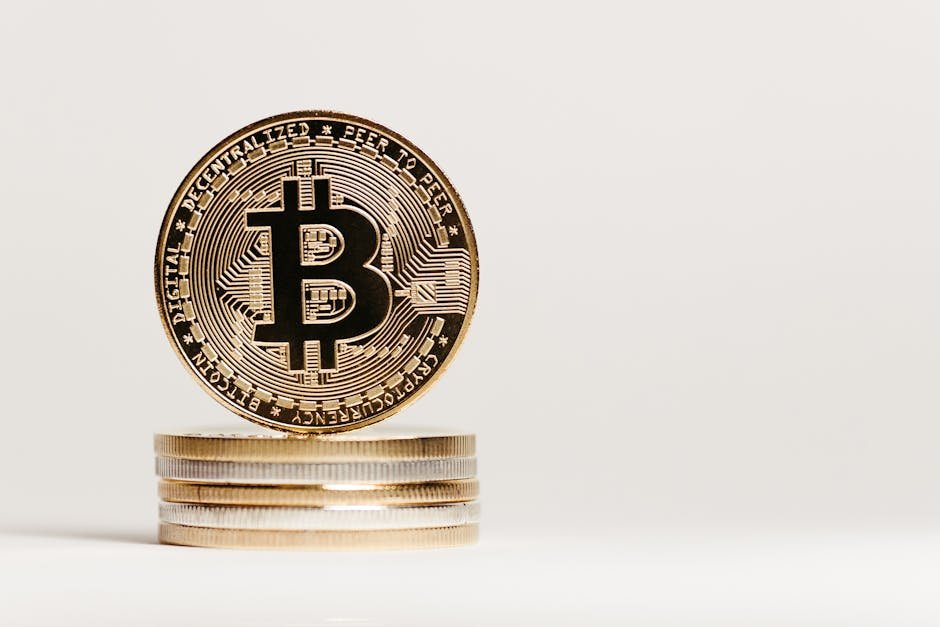
Bitcoin is a decentralized digital currency, operating on a peer-to-peer network without a central authority or single administrator. It allows users to send and receive value across the globe, independent of traditional banking systems. Now’s the time for new investors to grasp this revolutionary asset, especially given its rapid institutional adoption. For additional insights into the growing acceptance of cryptocurrencies, you may find it beneficial to explore how Needle’s 26M Model could reshape crypto tools.
To understand the concept of Bitcoin, think of it as digital gold. Like gold, it holds value and is mined, but unlike gold, Bitcoin can be transacted across borders almost instantaneously and at lower costs, making it a more versatile financial tool.
How Bitcoin Works in Practice
Bitcoin’s real-world applications are expanding rapidly, demonstrating its potential beyond mere investment. Here are three notable examples:
-
Tesla’s Treasury Strategy: In early 2021, Tesla announced a $1.5 billion investment in Bitcoin, positioning the cryptocurrency as a legitimate alternative to cash reserves. This landmark move not only elevated Bitcoin’s credibility but also inspired confidence in its long-term viability. Tesla’s foray into Bitcoin was driven by a goal to diversify its balance sheet, reducing reliance on traditional fiat currencies.
-
MicroStrategy’s Aggressive Acquisition: MicroStrategy, led by CEO Michael Saylor, made headlines by acquiring 124,000 Bitcoin, worth over $6 billion as of October 2023. Saylor asserts, “Bitcoin is more than just digital gold; it represents a new asset class that’s here to stay.” This strategic approach not only enhances MicroStrategy’s portfolio but also sets a precedent for other corporations contemplating Bitcoin adoption as a treasury asset, showcasing the kind of insights you can find in articles detailing the future landscape of crypto investments.
-
BlockFi’s Financial Products: BlockFi has emerged as a leading platform allowing clients to earn interest on their Bitcoin holdings, with over $3 billion in assets under management. This innovative service attracts traditional investors seeking a yield in a low-interest-rate environment, showcasing Bitcoin’s utility as more than just a store of value.
While some may view Bitcoin as merely speculative, these examples emphatically demonstrate its broader implications and adoption across diverse sectors, which you can further explore in the context of why Xs of Y could revolutionize gaming and NFTs.
Top Tools and Solutions
For those interested in diving deeper into Bitcoin and cryptocurrency investments, the following tools can facilitate effective engagement with this evolving asset:
-
Morphy Mail — Powerful cold email delivery platform for sending to cold or purchased lists without spam filters.
-
Apollo — AI-powered B2B lead scraper with verified emails and email sequencing.
-
AWeber — Professional email marketing and automation platform with AI-powered email writing.
-
Trainual — Business playbook and employee training platform.
-
Spocket — Dropshipping platform connecting retailers with suppliers.
-
InboxAlly — Email deliverability improvement tool.
Common Mistakes and What to Avoid
Newcomers to Bitcoin often make missteps that can lead to significant losses or missed opportunities. Here are three common mistakes to watch out for:
-
Ignoring Security Protocols: An individual in 2021 lost over $300,000 worth of Bitcoin after failing to implement two-factor authentication for their wallet. Proper security measures are crucial to safeguard against hacks and theft.
-
Overtrading on Speculation: Many investors are drawn in by Bitcoin’s price volatility. A case in point is a group of traders who accumulated large positions during late 2021’s price surge, only to face severe losses as prices corrected. A measured, strategic approach is essential, rather than trading based on media hype.
-
Neglecting Research: Jumping into Bitcoin without understanding the market dynamics can lead to poor decision-making. For instance, a prominent investment firm made substantial losses after investing in Bitcoin futures without a solid understanding of the underlying asset.
Avoiding these common pitfalls can be the difference between success and failure in the rapidly evolving Bitcoin landscape.
Where This Is Heading
Looking forward, several key trends are shaping Bitcoin’s trajectory:
-
Institutional Investment Growth: Institutional investment in Bitcoin products surged by 90% last year. Analysts from Chainalysis predict this growth will continue, with more traditional asset managers incorporating Bitcoin into their portfolios as they recognize its potential as a hedge against inflation.
-
Mainstream Financial Products: As Bitcoin matures, new financial products aimed at retail and institutional investors are emerging. Expect to see diverse offerings such as ETFs and Bitcoin-based loan products. Analysts anticipate that by 2024, these products will attract an array of investors seeking alternative asset classes.
-
Technological Advancements: Innovations such as the Lightning Network are enhancing Bitcoin transaction speeds and reducing costs, making the currency more accessible for everyday use. This could lead to increased utilization in commercial transactions within the next year.
For Bitcoin newcomers, these trends underscore the importance of staying informed and adaptable in an ever-evolving landscape, as covered in discussions regarding the evolving regulatory environment around cryptocurrencies.
FAQ
Q: What is Bitcoin?
A: Bitcoin is a decentralized digital currency that allows peer-to-peer transactions without a central authority. It operates on blockchain technology, making it secure and transparent.
Q: How can I buy Bitcoin?
A: To purchase Bitcoin, you can use cryptocurrency exchanges like Coinbase or Binance. Simply create an account, verify your identity, deposit funds, and you can start buying Bitcoin.
Q: How does Bitcoin compare to traditional currencies?
A: Unlike traditional currencies, Bitcoin operates on a decentralized network and is not controlled by a government or financial institution, leading to its potential for higher volatility and unique investment opportunities.
Q: What is the cost of investing in Bitcoin?
A: The cost of investing in Bitcoin varies based on its current market price, as well as transaction fees imposed by exchanges. It’s important to consider these factors when assessing total investment costs.
Q: How can I store my Bitcoin securely?
A: Proper storage of Bitcoin involves using hardware wallets or secure digital wallets that offer two-factor authentication. This protects against unauthorized access and ensures your assets remain safe.
Q: What common mistakes do newcomers make with Bitcoin?
A: Newcomers often overlook security measures, overtrade based on price speculation, and neglect necessary research, which can lead to significant losses.
Q: What are the future trends for Bitcoin?
A: Key trends include increased institutional investment and the emergence of new financial products, which could enhance Bitcoin’s legitimacy and accessibility in the financial ecosystem.
Q: What is the best resource for learning about Bitcoin?
A: A great resource for learning about Bitcoin is comprehensive crypto education platforms that offer articles, courses, and news analyses to help newcomers understand market dynamics and strategies.
Recommended Tools
- Morphy Mail — Powerful cold email delivery platform for sending to cold or purchased lists without spam filters.
- Apollo — AI-powered B2B lead scraper with verified emails and email sequencing.
- AWeber — Professional email marketing and automation platform with AI-powered email writing.
- Trainual — Business playbook and employee training platform
- Spocket — Dropshipping platform connecting retailers with suppliers
- InboxAlly — Email deliverability improvement tool