
By Dana Kim, Crypto Markets Analyst
Last updated: May 08, 2026
5 Ways Bitcoin Changed My Mindset and Why It Matters for Investors
Over 60% of Bitcoin holders have never sold their assets, according to a study by Chainalysis. This statistic is not just a number; it illustrates a fundamental shift in investor psychology that extends beyond the chaos of price swings. Bitcoin’s emergence as a credible asset class has redefined how individuals and corporations approach value and risk in a digitally-driven economy. In a world where short-term gains were once the norm, Bitcoin fosters a mindset centered on long-term thinking and resilience against the traditional finance systems. The implications for investors are substantial.
What Is Bitcoin?
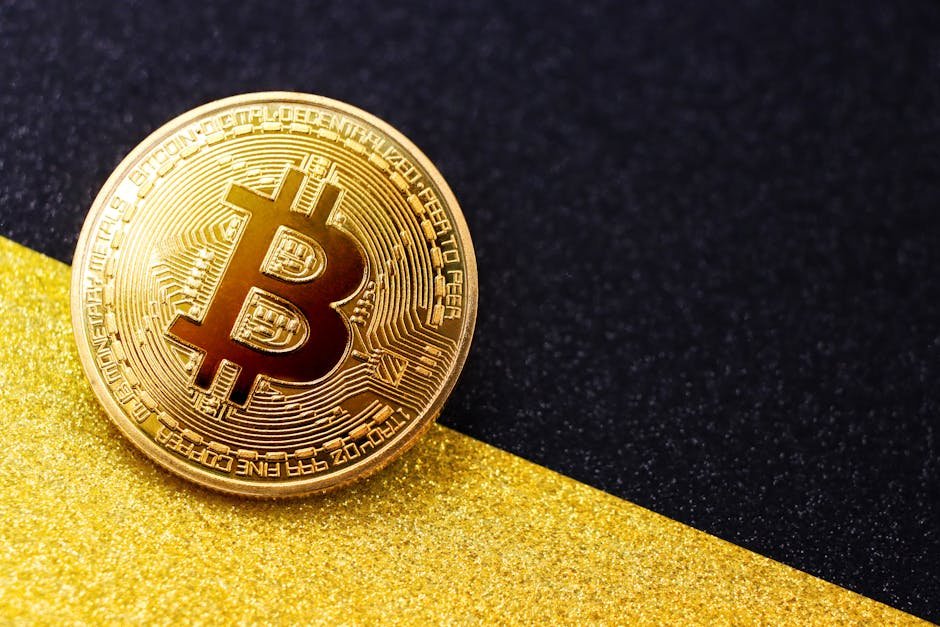
Bitcoin is a decentralized digital currency that enables peer-to-peer transactions without the need for intermediaries like banks. It’s significant now because its principles challenge conventional investment paradigms, allowing users to hold true ownership of their assets. Think of Bitcoin as digital gold; just as gold is valued for its scarcity and tangibility, Bitcoin offers a similar sense of value in an increasingly intangible digital landscape.
How Bitcoin Works in Practice
Bitcoin is more than just a speculative asset; it has become integrated into the operations of some of the world’s leading companies, serving as a treasury reserve asset.
-
MicroStrategy: Under the leadership of Michael Saylor, MicroStrategy adopted a Bitcoin-centric treasury strategy, holding over $7 billion in Bitcoin as of October 2023. This pivot underscores a trend among corporations favoring Bitcoin over traditional cash reserves as a hedge against inflation. The result? MicroStrategy has not only enhanced its market visibility but has also led other companies to reconsider their treasury management strategies.
-
Tesla: In 2021, Tesla invested $1.5 billion in Bitcoin, signifying a broader acceptance of cryptocurrency among mainstream companies. Although the company later announced it would stop accepting Bitcoin for vehicle purchases due to environmental concerns, the initial investment highlighted a crucial shift in corporate treasury management. Tesla’s engagement with Bitcoin demonstrates the potential for blockchain technology to redefine how businesses manage their balance sheets.
-
Square (Block, Inc.): Square has integrated Bitcoin into its flagship Cash App, allowing users to buy, sell, and hold Bitcoin easily. This initiative has not only supported financial education among millions of users but has also solidified Square’s commitment to Bitcoin as a primary element of its business model. In its Q3 earnings report, Square revealed that Bitcoin revenue had quadrupled year-over-year, exemplifying how user engagement with Bitcoin is not simply about speculative trading.
-
Grayscale Bitcoin Trust (GBTC): With assets under management soaring past $40 billion, Grayscale’s Bitcoin Trust is a focal point for institutional interest in Bitcoin as a long-term asset. By allowing accredited investors to gain exposure to Bitcoin without handling the cryptocurrency directly, GBTC legitimizes Bitcoin in the traditional finance realm. This nudge towards institutional adoption is vital for paving the way for Bitcoin’s broader acceptance.
Top Tools and Solutions
To navigate the world of Bitcoin effectively, investors can benefit from various tools. Here are some recommendations:
-
WhatConverts — A lead tracking and marketing analytics platform, perfect for businesses seeking to optimize their outreach strategies.
-
Syllaby — Create AI videos, AI voices, and AI avatars. Ideal for businesses aiming to enhance their digital marketing efforts through automation.
-
CloudTalk — A cloud-based business phone system designed for organizations aiming to streamline their communication.
-
Close CRM — A sales CRM built for high-velocity sales teams, offering features that enhance productivity and customer engagement.
-
InstantlyClaw — An AI-powered platform for lead generation and content creation, perfect for one-person agencies wanting to scale outreach effectively.
-
Instantly — A cold email outreach and lead generation platform, particularly useful for businesses focusing on maximizing their outreach efforts.
Common Mistakes and What to Avoid
Investors venturing into Bitcoin frequently make critical errors. Here are three noteworthy missteps:
-
Ignoring Security Risks: In 2020, a high-profile breach led to the loss of funds from the crypto exchange KuCoin. This incident highlighted the importance of securing private keys and utilizing hardware wallets to protect assets. Investors should prioritize security to avoid being vulnerable to hacks.
-
Focusing Solely on Price: Many new investors treat Bitcoin as a short-term trading asset, driven by daily price fluctuations. This approach can lead to anxiety and poor decision-making. A long-term holding strategy is more aligned with the 60% of Bitcoin holders who have never sold their assets, emphasizing the value of patience.
-
Underestimating Regulatory Risks: The 2021 crackdown on crypto exchanges in China exemplifies the repercussions of failing to consider regulatory landscapes. Investors need to stay informed about regulations that may impact their investments and be prepared for sudden policy changes.
Where This Is Heading
The future of Bitcoin seems to be characterized by three emerging trends.
-
Institutional Adoption Will Increase: As firms like MicroStrategy and Tesla pave the way, analysts predict that institutional adoption of Bitcoin will rise. According to a recent report from Fidelity, institutional investments in digital assets could surpass $1 trillion within the next two years. This shift could amplify Bitcoin’s price and solidify its role in corporate treasuries.
-
Increased Accessibility: As solutions like Cash App and Block’s initiatives expand, the barriers to entry will diminish for everyday investors. The trend of integrating Bitcoin into mainstream payment systems will continue to attract new users and capital, making digital currencies more usable in every-day transactions.
-
Evolving Regulations: The regulatory environment surrounding Bitcoin will continue to mature. With ongoing discussions among U.S. lawmakers and agencies, we can expect frameworks that better define cryptocurrency’s legal status, impacting how individuals and institutions engage with Bitcoin. Analysts at Chainalysis suggest that clearer regulations will enhance institutional confidence in Bitcoin over the next 12 months.
Investors should take notice: Bitcoin’s trajectory points toward a future where digital currencies find their footing in traditional portfolios, solidifying their role as credible long-term assets.
FAQ
Q: How has Bitcoin changed my mindset towards investing?
A: Bitcoin has fostered a long-term investment perspective, encouraging resilience against market volatility. Many holders exhibit trust in Bitcoin’s value, as illustrated by the fact that over 60% of holders have never sold.
Q: What companies are leading the charge in Bitcoin investments?
A: MicroStrategy and Tesla are prominent examples, with MicroStrategy holding over $7 billion in Bitcoin and Tesla making a significant $1.5 billion investment in the cryptocurrency.
Q: How do I secure my Bitcoin investments?
A: Investors should utilize hardware wallets and prioritize security measures, as breaches can lead to significant losses—like those experienced during the KuCoin incident.
Q: What tools can help me with Bitcoin investment?
A: Tools such as WhatConverts and Syllaby can assist with tracking investments and streamlining marketing efforts related to Bitcoin ventures.
Q: Why is Bitcoin becoming a popular treasury reserve asset?
A: Companies like MicroStrategy and Tesla view Bitcoin as a hedge against inflation and currency devaluation, prompting them to hold it as a reserve asset.
Q: What is the forecast for Bitcoin’s price returns?
A: Analysts suggest that Bitcoin could reach higher valuations as institutional adoption grows, making it an integral part of long-term investment strategies.
Bitcoin’s influence is reshaping how we think about value and risk in the digital age, merging with long-term investment philosophies that contradict traditional financial practices. As this transformation gains traction, the landscape for both individual and corporate investors appears permanently altered.