
By Dana Kim, Crypto Markets Analyst
Last updated: June 01, 2026
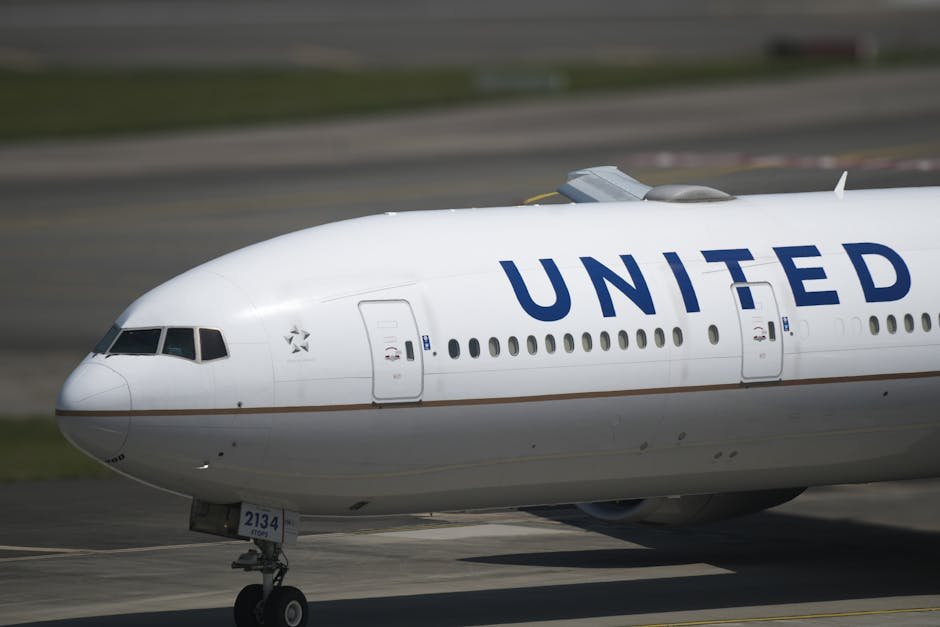
United Airlines 767 Diverted: Bluetooth Oversight Highlights Security Risks
A recent incident involving a United Airlines flight from Brussels to Newark has unearthed unsettling vulnerabilities in airline security protocols. The flight’s diversion and subsequent return were prompted by the labeling of a Bluetooth device on a passenger’s phone as “suspicious.” This moment, though seemingly minor, illustrates a critical industry oversight: over 70% of U.S. airlines lack robust protocols for managing in-flight Bluetooth communications. This oversight poses significant questions about aviation security, especially as over 150 million passengers navigate U.S. airspace each year.
While many may dismiss the diversion as an overreaction to a false alarm, it reveals deeper systemic flaws that could lead to graver ramifications for passenger safety. Technology, designed to enhance travel, can equally facilitate risks that have yet to be thoroughly addressed.
What Is Aviation Security in the Context of Personal Technology?
Aviation security encompasses the measures, processes, and protocols enacted to protect passenger safety and ensure the integrity of aircraft operations. In the current environment, where personal technology is ubiquitous, it has become increasingly relevant for airlines to understand and mitigate potential threats posed by devices like smartphones, laptops, and tablets.
With passengers commonly using Bluetooth and Wi-Fi onboard, one can liken airline security protocols to a dam: sturdy enough to withstand leaks that threaten its integrity, yet porous enough to allow safe passage of essential information and communication tools. As more devices enter the cabin, the structural integrity of airline protocols must be tested and improved.
How Bluetooth Risks Manifest in Aviation Security Practice
Multiple instances highlight the lack of effective protocols that could help manage potential threats posed by personal technology in flight. Here are three illustrative cases:
-
United Airlines’ Diversion Incident (2023): After the United flight’s diversion due to a supposedly suspicious Bluetooth label on a passenger’s phone, the airline had to reassess its emergency response protocols for tech-related incidents. While the communication that led to the diversion was likely well-intentioned, it raises questions of preparedness. The overarching concern is how many similar unexpected events could be a ticking time bomb for real security breaches.
-
American Airlines’ Cybersecurity Breach (2021): In early 2021, American Airlines had to confront a wave of criticism when it was discovered that personal data of over 1.2 million customers had been compromised. This breach was tied to inadequate safeguards around their digital interfaces and highlighted a need for tighter protocols concerning customer data protection. The comparative scrutiny between customer data management and in-flight safety exposes a concerning trend of failures in technology risk management.
-
Delta Air Lines’ Policy Enhancements (2019): In response to rising scrutiny over tech-related security measures, Delta rolled out revamped security protocols that included tighter measures regarding passenger devices. This preemptive move showcased what can be done to improve safety standards; however, it also illustrates how reactive measures are often the norm rather than proactive solutions.
These incidents not only indicate varying levels of responsiveness among airlines but also raise an alarming point regarding aviation safety and the implications of technological advancement.
Top Tools and Solutions
Given the challenges noted, implementing robust security measures for in-flight personal technology is vital. Below are some recommended tools that can enhance operational security protocols:
- Leadpages — A landing page builder and lead generation tool that can assist airlines in bolstering their communication strategies while ensuring data security.
- Buddy Punch — Employee time tracking and scheduling software, perfect for managing airline staff efficiently.
- Livestorm — Video engagement platform for webinars and meetings, which can aid airlines in effective communication.
- Smartlead — Connect unlimited mailboxes with auto warm-up. Ideal for email outreach and communication needs.
- Marketing Blocks — AI-powered marketing content creation platform that can streamline airline marketing efforts.
- Campaign Monitor — Email marketing platform for designers, perfect for disseminating information securely.
Common Mistakes and What to Avoid
Airlines can take lessons from history. Here are three notable mistakes involving tech-related security flops:
-
Focusing Solely on Major Threats: Many airlines have overlooked the potential risks associated with common passenger devices. For instance, when a Delta flight was grounded in 2018 due to a technical glitch linked to crew access to passenger Bluetooth data, the situation could have been mitigated with better risk assessments.
-
Underestimating Passenger Awareness: A Pew Research Center survey indicated that 38% of adults do not secure their Bluetooth devices regularly. Ignoring passenger education on device security can lead to crises that reflect poorly on airlines. A robust program that instructs passengers on best practices may have turned such incidents into a learning experience rather than a security scare.
-
Reacting to Threats Rather Than Anticipating Them: The FAA’s introduction of tightened regulatory measures was a response to past threats but didn’t adequately address low-tech vulnerabilities. Airlines that adopt this reactive stance will find it increasingly difficult to protect customer safety as technology evolves.
Where This Is Heading
The aviation industry will likely see significant changes in how it approaches technology security over the next year. Here are a few trends to watch:
- Increased Regulatory Oversight: With incidents like the United Airlines diversion making headlines, regulatory agencies such as the FAA may impose stricter compliance requirements. Industry analysts predict a 30% increase in regulatory scrutiny as technology risks evolve.
FAQ
Q: What is aviation security in the context of personal technology?
A: Aviation security refers to the measures and protocols designed to ensure the safety of passengers and aircraft operations. With personal technology use increasing in-flight, carriers must reassess their protocols.
Q: How can airlines improve their in-flight Bluetooth security?
A: Airlines can enhance in-flight Bluetooth security by implementing stricter protocols and educating passengers about device usage. Regular audits and updates to security measures are crucial.
Q: How do airline security protocols differ among airlines?
A: Security protocols can vary significantly among airlines based on their policies, technology adoption, and regulatory compliance. Some airlines prioritize technology updates more than others.
Q: What is the cost of implementing better security measures in aviation?
A: The cost can vary widely depending on the technology and policies adopted but investing in robust security is essential for ensuring passenger safety and trust.
Q: How can airlines proactively prevent tech-related incidents?
A: Airlines should conduct regular risk assessments, provide passenger education, and adopt cutting-edge technology to mitigate potential threats before they escalate.
Q: What are common mistakes airlines make regarding tech security?
A: Common mistakes include focusing solely on major threats, underestimating passenger awareness, and adopting reactive measures rather than proactive strategies.
Q: What trends should we expect in aviation tech security?
A: We can expect increased regulatory oversight, the adoption of advanced technologies to mitigate risks, and a greater emphasis on passenger education regarding their devices.
Q: What are the best resources for airlines looking to enhance tech security?
A: Airlines can benefit from employing advanced communication tools, adopting rigorous training programs, and leveraging industry partnerships for best practices in tech security.
Recommended Tools
- Buddy Punch — Employee time tracking and scheduling software
- Livestorm — Video engagement platform for webinars and meetings
- Smartlead — Connect unlimited mailboxes with auto warm-up. Run outreach via email, SMS, WhatsApp, and Twitter.
- Marketing Blocks — AI-powered marketing content creation platform
- Campaign Monitor — Email marketing platform for designers
- Leadpages — Landing page builder and lead generation tool