
By Dana Kim, Crypto Markets Analyst
Last updated: June 28, 2026
5 Reasons Why Physical Media Ownership is Making a Comeback in 2023
Contrary to widespread assumptions about millennials’ all-digital lifestyle, a recent survey reveals that 60% of this demographic continues to favor physical ownership of music and movies. This statistic not only challenges the narrative surrounding digital media supremacy but also indicates a fundamental shift in consumer values. As tech giants continue to push streaming and digital ownership, an increasing number of consumers are gravitating toward tangible assets that embody security and permanence. For more insights into digital trends, check out our exploration of how ENS domains will dominate search in 2024.
This retreat from ubiquitous digital consumption raises vital questions for investors and businesses alike, particularly in the context of market volatility surrounding digital platforms. Understanding the resurgence of physical media ownership can inform investment strategies; in 2023, owning something tangible appears to resonate more than mere digital licenses.
What Is Physical Media Ownership?
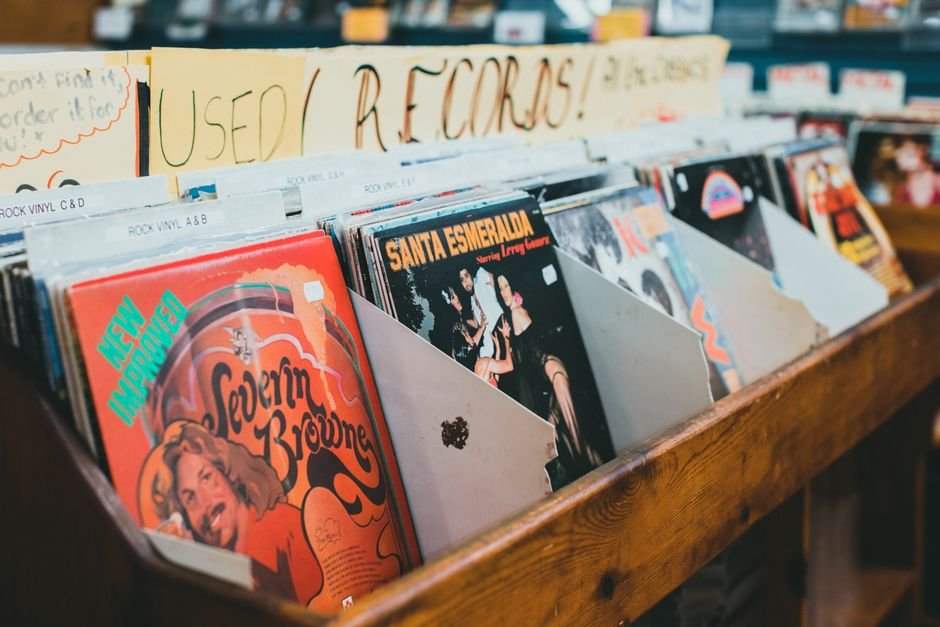
Physical media ownership refers to the practice of possessing tangible copies of music, films, games, and other forms of content. Unlike digital downloads and streams, where access can vanish in an instant, physical media provides consumers with a sense of control and security. For collectors and enthusiasts, it often includes vinyl records, CDs, DVDs, and specialty items. This trend matters because it signals a rejection of the ephemeral nature of digital consumption. Ownership of physical items resonates particularly with those concerned about longevity and ongoing access to their content.
Imagine the difference between owning a hard copy of a favorite album and simply streaming it through a service that could disappear. Physical media embodies permanence where digital access does not.
How Physical Media Ownership Works in Practice
-
Apple’s Vinyl Records Resurgence: In 2023, Apple began offering vinyl records in its product lineup, signaling a shift toward physical products in primarily digital markets. This move likely reflects a broader retail strategy and caters to consumers who yearn for tangible music experiences. The return of vinyl has proved lucrative, with records seeing a resurgence as music lovers prefer a physical format, even while streaming remains popular. Analyzing the impact of this trend is vital, much like understanding how Apple’s Neural Engine is rewriting AI performance standards.
-
GameStop’s Revamped Focus: Once primarily a purveyor of physical video games, GameStop has revitalized its business model to emphasize physical media sales again. By increasing its range of used games and collectibles, the company aims to appeal to consumers who value ownership in light of fluctuating digital availability. The investment in physical inventory is a calculated move to align with evolving consumer preferences.
-
Physical Music Revenue Growth: According to Statista, revenue from physical music sales saw a 21% increase year-over-year in 2022. This growth underscores the demand for physical formats, especially in an era when digital music has dominated. The rise is particularly notable for vinyl records, which, contrary to expectations, have become collector’s items and valuable investments. For deeper insights into financial trends, consider reading about Rocket Lab’s acquisition of Iridium.
-
Collectibles at Auction: Limited edition physical media is experiencing a surge in auction prices, further indicating significant value. For example, certain vinyl records and collectible video games are being sold for thousands of dollars, as seen in various auction houses. This appreciation demonstrates a burgeoning market that connects nostalgia with investment potential. As we observe these trends, it’s essential to keep an eye on how regulations are shifting, similar to the insights around geofence warrants changing privacy rules.
Top Tools and Solutions
- Lemlist — A personalized cold email and sales engagement platform designed for sales professionals looking to increase their outreach effectiveness.
- Leadpages — A landing page builder and lead generation tool ideal for marketers seeking to enhance lead capture.
- InstantlyClaw — An AI-powered automation platform for lead generation, content creation, and outreach scaling, perfect for busy entrepreneurs.
- Kit — An email marketing platform for creators and entrepreneurs aiming to boost direct customer engagement.
- Syllaby — A tool for creating AI videos, voices, avatars, and automating social media marketing efforts.
- Kartra — An all-in-one online business platform for entrepreneurs looking to manage their sales, marketing, and customer service in one place.
Disclosure: Some links in this article may be affiliate links. We may earn a small commission at no extra cost to you. This does not influence our recommendations.
Common Mistakes and What to Avoid
-
Neglecting Consumer Sentiment: Companies that underestimate the resurgence in physical media risk losing market share. A notable case was Blockbuster, which failed to adapt and ultimately fell victim to digital disruption. Recognizing that consumers still value ownership could stave off similar failures.
-
Underestimating Collectible Value: Publishers ignoring the collectible market may miss opportunities for revenue. For instance, limited edition physical releases from companies like Nintendo often sell out quickly and become coveted investments on platforms like eBay. Recognizing the potential for collectible appreciation is crucial.
-
Confusing Accessibility with Ownership: Many consumers conflate streaming services with actual ownership. A prime example is the shutdown of popular platforms like MoviePass. The resulting realization that subscriptions don’t guarantee long-term access led many consumers to suddenly crave traditional rental services and physical formats.
Where This Is Heading
Analysts project that the growth of physical media sales will continue into 2024 and beyond. The NPD Group, a market research firm, indicates that the trend toward collecting physical media, particularly vinyl and limited editions, exhibits no signs of slowing. Industry insiders recognize this revival as a movement toward combining nostalgia with investment potential.
In the next 12 months, physical media may not only become a defining aspect of consumer preference but also evolve into a niche investment category among discerning collectors. For crypto traders and DeFi users, a keen understanding of these evolving consumer behaviors may present novel investment opportunities.
FAQ
Q: What is physical media ownership?
A: Physical media ownership refers to possessing tangible copies of content such as CDs, vinyl records, and DVDs. This ownership provides a sense of control and security, contrasting with digital formats that can be revoked.
Q: How do I start a physical media collection?
A: To start a physical media collection, decide which types of media interest you most, such as vinyl records or DVDs. Visit local shops, flea markets, or online auction sites to find items that suit your interests and budget.
Q: How does physical media ownership compare to digital ownership?
A: Physical media ownership allows you to possess tangible items that you can access anytime without relying on an internet connection, whereas digital ownership often comes with restrictions and can be revoked by service providers.
Q: What are the average costs of physical media items?
A: The costs of physical media vary widely depending on the format and rarity. For example, vinyl records can range from $15 to several hundred dollars for limited editions, while DVDs typically cost between $5 and $30.
Q: How can I ensure my physical media collection retains value?
A: To ensure your physical media collection retains value, store items in protective cases, avoid exposure to extreme temperatures, and keep them in a cool, dry place. Regularly check market trends for collectors’ items.
Q: What common mistakes should I avoid when collecting physical media?
A: A common mistake is underestimating the importance of storage and preservation. Failing to protect your collection can lead to damage and loss of value over time.
Q: How is the trend of physical media ownership expected to evolve in the future?
A: The trend of physical media ownership is expected to grow as consumers seek tangible investments that offer security and nostalgia, bridging the gap between digital convenience and physical permanence.
Q: What is the best tool for managing a physical media collection?
A: One of the best tools for managing a physical media collection is a dedicated inventory app or software that allows you to catalog items, track values, and assess market trends.
Recommended Tools
- Lemlist — Personalized cold email and sales engagement platform
- Leadpages — Landing page builder and lead generation tool
- InstantlyClaw — AI-powered automation platform for lead generation, content creation, and outreach scaling. Perfect
- Kit — Email marketing platform for creators and entrepreneurs
- Syllaby — Create AI videos, AI voices, AI avatars, and automate your social media marketing.
- Kartra — All-in-one online business platform