
By Dana Kim, Crypto Markets Analyst
Last updated: May 25, 2026
50 Hours Drawing a Line Graph: An Unexpected Crypto Revelation
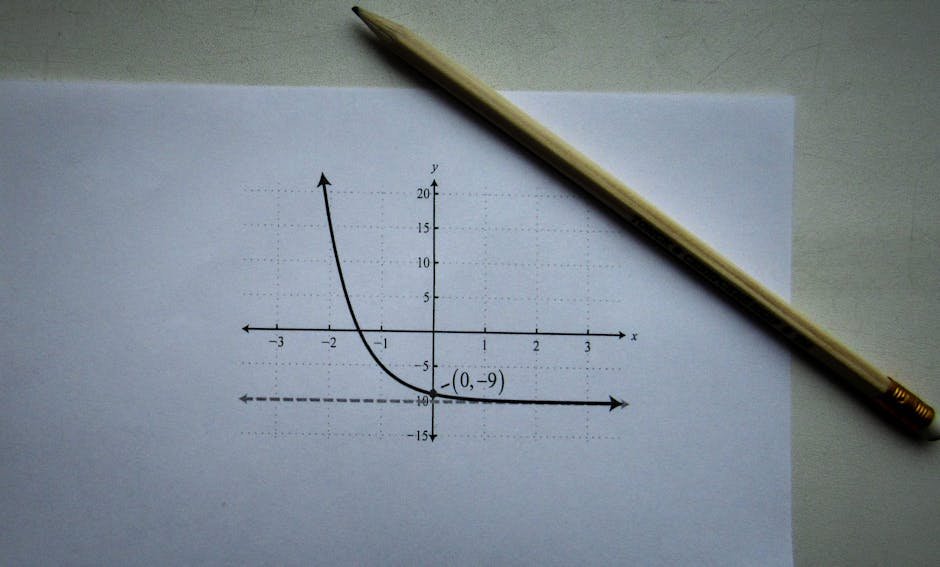
Drawing a line graph for 50 hours can lead to insights that typical quantitative models simply overlook. This unexpected revelation highlights an essential yet overlooked aspect of cryptocurrency analysis—data visualization through subjective creativity. As the crypto landscape becomes increasingly complex, blending artistic interpretation with analytics can yield richer insights that surpass conventional methods.
Data visualization is not just a tool; it’s a narrative instrument. Coinbase found that nearly 50% of its users lean on data visualization to make investment decisions (Coinbase User Survey 2023). As we forge deeper into an era characterized by intricate market behaviors, it becomes evident that traditional analysis can miss critical emotional and psychological signals.
What Is Data Visualization?
Data visualization involves representing data graphically to unveil patterns, trends, and insights that may not be immediately apparent through raw figures. This approach matters now because traders increasingly require intuitive interpretations of complex datasets—especially in volatile markets like cryptocurrencies. For instance, viewing a line graph of Bitcoin prices is similar to reading a pulse; it reveals not just the numbers but the health of market sentiment.
How Data Visualization Works in Practice
Real-world applications demonstrate how data visualization enhances investment strategies in significant ways:
-
Coinbase: The exchange’s User Survey 2023 indicates that almost half of users utilize data visualizations to guide their trading decisions. This reliance illustrates how traders are increasingly visualizing trading patterns rather than relying solely on numerical analysis.
-
Binance: In 2022, Binance experienced a 200% surge in user engagement with visually-driven content. Creative data storytelling bolstered user interest and engagement, showcasing how aesthetics can transform user interaction in a competitive market.
-
Ethereum’s Transition to Ethereum 2.0: While many analyses relied on complex numerical frameworks, artists and analysts who visualized user sentiment shifts during Ethereum’s transition managed to communicate trends and trader emotions much more clearly. This artistic representation allowed stakeholders to better grasp the emotional climate of an evolving market.
-
David Einhorn’s Perspective: Noted hedge fund manager David Einhorn emphasizes that recognizing market psychology through visual means can lead to enhanced investment outcomes. His advocacy suggests that understanding feelings behind trading behavior is vital to navigating crypto markets effectively.
Top Tools and Solutions
For those looking to elevate their data visualization game, a few standout tools could provide significant help:
-
Seamless AI — An AI-powered sales prospecting and lead generation tool that aids traders in visualizing potential opportunities in the market.
-
Money Robot — This tool generates unlimited web 2.0 backlinks automatically and creates spun blogs on autopilot.
-
Nutshell CRM — A simple and powerful CRM for sales teams that helps in managing client interactions.
-
HighLevel — An all-in-one sales funnel, CRM, and automation platform designed for agencies and entrepreneurs.
-
BlackboxAI — An AI coding assistant and developer tool for improving software development efficiency.
-
Catalister — A product catalog and listing management platform that streamlines operations across various sectors.
Common Mistakes and What to Avoid
-
Ignoring Emotional Trends: Many traders focus solely on numerical metrics and ignore emotional and psychological signals, resulting in missed opportunities. For example, during bearish market trends in 2022, traders who solely relied on traditional analytics suffered losses while those who paid attention to sentiment visualizations capitalized on upcoming bullish trends.
-
Overcomplicating Visuals: Presenting overly complex graphs can confuse rather than clarify. Many analysts lost credibility by focusing on convoluted presentations that failed to elucidate the essential information. Clear and simple visuals should be prioritized to convey the message effectively.
-
Resisting Change: A lack of adaptability can lead to obsolescence. Companies that cling to traditional metrics find it hard to pivot in the innovative space of crypto trading, like Block.one, who struggled in 2021 as competitors adopted more engaging data visualization tactics.
Where This Is Heading
The future of data visualization in cryptocurrency markets is both promising and transformative. Here are some trends to watch for:
-
Increased Use of Sentiment Analysis: Expect more platforms to incorporate visual sentiment analysis. By 2024, enhanced data-visual analysis tools are likely to gain traction, allowing traders to interpret market sentiments better.
-
AI-Driven Insights: Research firms predict a rise in AI systems that visually interpret data, blending artistry and data science. Analysts predict that by 2025, the majority of major trading platforms will feature AI-driven analysis to automate and visualize decision-making processes.
-
Collaborative Visualization Tools: Development of tools that allow real-time data visualization in collaborative settings will emerge in 2024, mirroring the communication shift seen in the remote workspace trend.
For traders, these trends mean an impending shift in how they interpret market data. Embracing creative data visualization should become a staple in investment strategies.
FAQ
Q: What is data visualization?
A: Data visualization is the graphical representation of information and data. It uses visual elements like charts and graphs to communicate complex data quickly and clearly.
Q: How do I create a good data visualization?
A: Start by identifying what data you want to represent and whom you are targeting. Use tools like graphs, charts, and color coding to convey patterns effectively, ensuring clarity over complexity.
Q: What are the best data visualization tools for crypto traders?
A: Some of the best tools for crypto visualization include Seamless AI for sales prospecting and Nutshell CRM for overall client management.
Q: How much does data visualization software cost?
A: The cost of data visualization software varies widely depending on the tool. Some platforms offer free versions, while comprehensive solutions can range from $30 to several hundred dollars per month.
Q: How can I implement data visualization in my trading strategy?
A: Start by incorporating visual analysis in your daily trading routine by utilizing tools that provide charts and graphs. Focus on visual trends over numerical data to gain insights into market behavior.
Q: What common mistakes do people make in data visualization?
A: A frequent mistake is creating overly complex visuals that confuse rather than inform. Simplicity is key; ensure visuals convey clear, actionable insights without unnecessary complexity.
Q: What current trends are shaping data visualization in technology?
A: Current trends include integrating AI for smarter insights, enhanced collaborative visualization tools, and a growing focus on storytelling through data to engage users effectively.
Q: What is the best resource to learn data visualization techniques?
A: Online courses like those offered by platforms such as Coursera and Udacity are excellent for learning data visualization techniques from industry experts. These courses often blend theory with practical application for best results.
Recommended Tools
- Seamless AI — AI-powered sales prospecting and lead generation
- Money Robot — Generate unlimited web 2.0 backlinks automatically. Creates spun blogs on autopilot.
- Nutshell CRM — Simple and powerful CRM for sales teams
- HighLevel — All-in-one sales funnel, CRM, and automation platform for agencies and entrepreneurs.
- BlackboxAI — AI coding assistant and developer tool
- Catalister — Product catalog and listing management platform