
By Dana Kim, Crypto Markets Analyst
Last updated: May 01, 2026
Belgium’s Nuclear Reversal: Why Halting Decommissioning Could Change Energy Markets
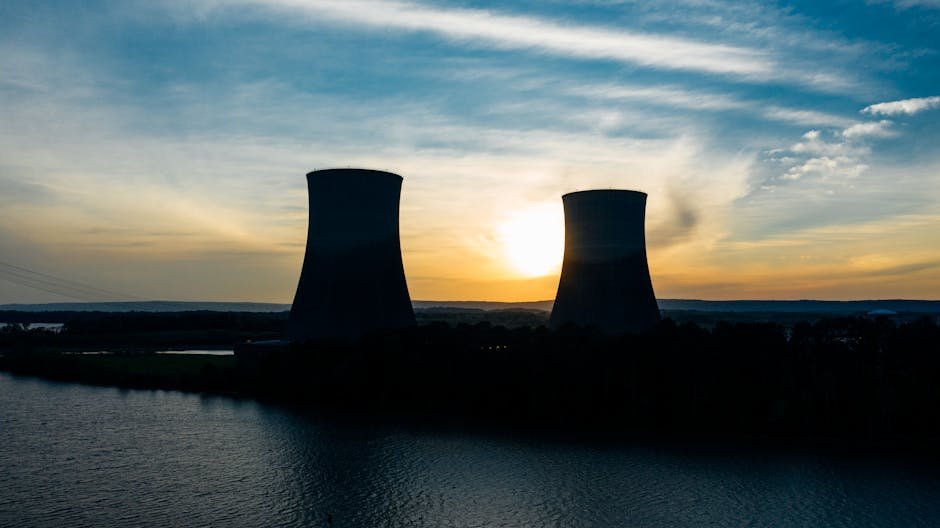
Belgium’s decision to halt the decommissioning of its nuclear plants represents a significant pivot in Europe’s energy strategy, challenging the prevailing narrative around sustainability in the face of rising energy prices and geopolitical tensions. In a landscape where renewables have increasingly dominated discussions, this move—one that reverberates through the continent’s energy policy—underscores the urgent necessity for stable energy sources.
In 2022, Belgium’s nuclear power facilities generated 25 terawatt-hours (TWh) of electricity, accounting for nearly 50% of the nation’s total electricity generation, according to the International Atomic Energy Agency. Turning back from a prior commitment to completely phase out nuclear energy by 2025 raises questions about the balance of energy strategies across Europe, particularly as countries grapple with fluctuating energy markets dominated by gas price surges, which increased by 90% year-on-year in late 2022 according to the European Energy Exchange.
The Belgian Energy Commission’s CEO, Marc Vanhellemont, articulated a pivotal sentiment: “The energy crisis has forced us to reconsider our commitments to rapid decommissioning.” Herein lies an intriguing contradiction; while many advocates see Belgium’s nuclear halt as a setback for renewable energies, it might actually reveal a more nuanced understanding of energy security under duress.
What Is Belgium’s Nuclear Policy?
Belgium’s nuclear policy has undergone dramatic shifts, primarily marked by a prior commitment to decommission all of its nuclear reactors by 2025. This stance was rooted in the broader European approach toward sustainability and reducing carbon emissions. However, as energy prices spiked amidst geopolitical fluctuations, the need for stable, reliable energy sources has become increasingly apparent.
An analogy might be drawn here: consider an investor who decides to sell off a stable asset in favor of promising but volatile stocks. While diversification can initially seem advantageous, market instability often reveals the worth of that reliable foundation. For Belgium, its nuclear energy—historically a backbone of power generation—reflects that stability.
How Belgium’s Nuclear Policy Works in Practice
Belgium’s nuclear infrastructure presently includes seven reactors, most of which have faced scrutiny and regulatory hurdles over the years.
-
Engie: The French utility giant and operator of many Belgian nuclear plants sees potential in a nuclear renaissance. Engie has emphasized its support for nuclear as a critical component of a balanced energy mix, particularly citing how stable nuclear energy can buffer the risks associated with intermittent renewables like wind and solar.
-
EDF (Électricité de France): As Europe’s largest operator of nuclear power, EDF’s experience with nuclear management can inform European strategies—including Belgium’s. The company has successfully navigated numerous regulatory landscapes, establishing best practices for maintaining efficiency and safety in nuclear operations. EDF’s insights could bolster Belgium’s efforts to extend the life of its reactors.
-
Belgian Government Initiatives: In response to this recent pivot, the Belgian government allocated additional funds to ensure the security and maintenance of its existing nuclear facilities. This proactive approach positions Belgium to enhance its energy autonomy while mitigating the stark severance from nuclear power that earlier policies mandated.
-
Public Sentiment and Energy Security: Polls suggest a shift in public opinion as concerns about energy security take precedence over previous commitments to rapid decarbonization. This sentiment is mirrored in broader societal swings that appear to favor stability over uncertainty, suggesting a realignment in public sentiment that could reverberate across the EU.
Top Tools and Solutions
Navigating Belgium’s revitalized nuclear strategy requires strategic insights and actionable platforms to promote energy transition goals. Key technological tools include:
Nutshell CRM — Simple and powerful CRM for sales teams.
Accelerated Growth Studio — Growth marketing platform for scaling businesses.
Instantly — Cold email outreach and lead generation platform.
MAP System — Master Affiliate Profits — affiliate marketing automation, tracking, and high-converting funnel templates.
Kartra — All-in-one online business platform.
BlackboxAI — AI coding assistant and developer tool.
Disclosure: Some links in this article may be affiliate links. We may earn a small commission at no extra cost to you. This does not influence our recommendations.
Common Mistakes and What to Avoid
Despite the clear need for a balanced energy strategy, several missteps can derail progress:
-
Overdependence on Renewables: Germany, having committed to a swift phase-out of nuclear, saw its reliance on renewables jeopardized during critical energy demand peaks. The grid struggles to cope, resulting in higher costs for consumers and increased energy imports.
-
Neglecting Energy Storage: A failure to invest in energy storage solutions has left many countries vulnerable to intermittent energy supplies from wind and solar. Spain’s delayed investment in storage has led to increased energy costs during peak periods.
-
Ignoring Public Sentiment: In transition talks, policymakers often overlook public opinion. The backlash against wind farms in certain regions of France has derailed local renewable projects, showcasing the need for a more comprehensive approach involving community engagement.
Where This Is Heading
The implications of halting decommissioning extend beyond Belgium’s borders, likely prompting a re-evaluation of nuclear energy among other EU nations, notably Germany. Analysts predict that the current geopolitical climate will sway nuclear strategy discussions across the continent.
Predicted Trends:
1. Increased Nuclear Investment: Countries like Germany may reconsider their nuclear phase-out timelines, influenced by Belgium’s decision. Reports from the International Atomic Energy Agency predict that nuclear energy could increase its market share within the EU.
FAQ
Q: What is Belgium’s current nuclear policy?
A: Belgium’s current nuclear policy involves halting the decommissioning of its nuclear plants, which was a shift from its earlier commitment to phase out all nuclear energy by 2025. This decision stems from the need for reliable energy sources amid rising prices and geopolitical tensions.
Q: How can Belgium ensure energy security with nuclear power?
A: Belgium can enhance energy security by investing in its existing nuclear plants and actively managing public sentiment around nuclear energy. This strategy is crucial for balancing energy supply amid the volatility of renewable resources.
Q: Why has public sentiment shifted towards nuclear energy in Belgium?
A: Public sentiment has shifted towards nuclear energy due to rising concerns over energy security and the reliability of supply, especially during peak demand periods. Many citizens now prioritize stable energy sources over previous commitments to rapid decarbonization.
Q: What are the costs associated with maintaining nuclear facilities?
A: The costs of maintaining nuclear facilities can vary widely based on age, technology, and regulatory requirements. However, governments typically allocate substantial budgets to ensure safety and continuous operation of these plants.
Q: How does Belgium’s approach compare to Germany’s nuclear policy?
A: Belgium’s approach of halting decommissioning contrasts sharply with Germany’s phase-out of nuclear energy, which is being reconsidered. This difference highlights varied national strategies in addressing energy needs amid fluctuating markets.
Q: What common mistakes should countries avoid when shifting energy strategies?
A: Countries should avoid overdependence on renewables without adequate infrastructure and energy storage solutions. Additionally, ignoring public sentiment can lead to significant pushback against energy initiatives.
Q: What future trends in energy policy can we expect across Europe?
A: We may see increased nuclear investment and a reevaluation of energy sources, particularly as countries respond to energy security concerns heightened by geopolitical events and market volatility.
Q: What is the best resource for understanding nuclear energy trends?
A: The International Atomic Energy Agency (IAEA) reports provide valuable insights and data on nuclear energy trends, regulatory developments, and market performance, making it a key resource for policymakers and researchers.
Recommended Tools
- Nutshell CRM — Simple and powerful CRM for sales teams
- Accelerated Growth Studio — Growth marketing platform for scaling businesses
- Instantly — Cold email outreach and lead generation platform
- MAP System — Master Affiliate Profits — affiliate marketing automation, tracking, and high-converting funnel temp
- Kartra — All-in-one online business platform
- BlackboxAI — AI coding assistant and developer tool