
By Dana Kim, Crypto Markets Analyst
Last updated: May 27, 2026
Crypto’s Daily Discussion on May 21, 2026: What It Means for Bitcoin’s Future
Amid heightened regulatory scrutiny, which often stokes fear and uncertainty among investors, grassroots conversations around Bitcoin have become surprisingly optimistic. An emerging trend from a recent discussion on Reddit reveals that 72% of participants framed Bitcoin positively, a striking contrast to the prevailing bearish sentiment in the wider market. This shift not only reflects growing enthusiasm among retail investors but also signals an unexpected resilience in the crypto ecosystem.
While many analysts focus on macroeconomic indicators and regulatory developments, they often overlook a critical variable: grassroots discussions on platforms like Reddit can serve as an early indicator of market sentiment. Some 65% of new investors expressed increased confidence in Bitcoin’s long-term viability, according to recent surveys. This highlights a burgeoning narrative that could reinvigorate a market frequently characterized by volatility and uncertainty.
What Is Bitcoin?
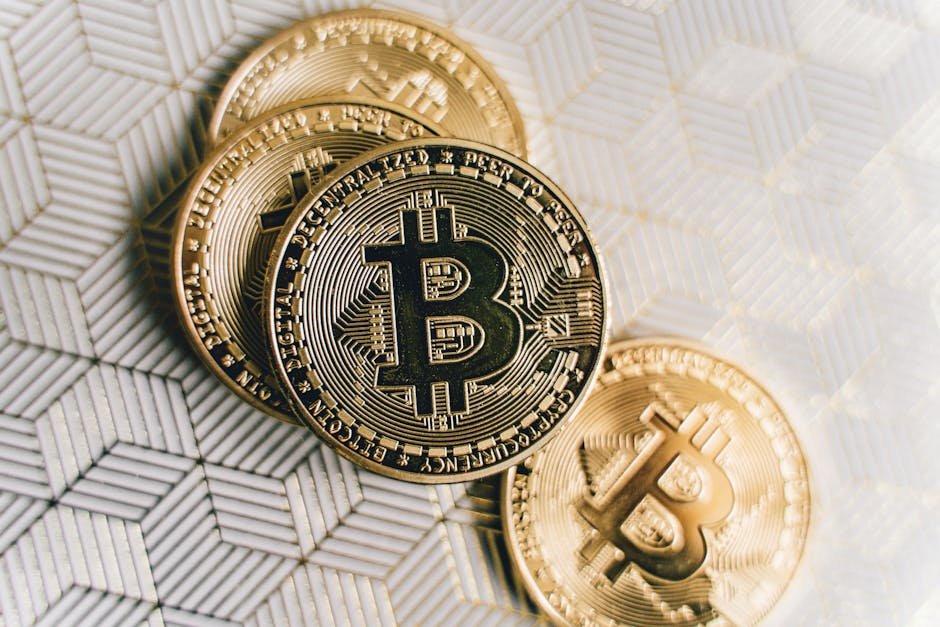
Bitcoin is a decentralized digital currency that operates on blockchain technology, allowing peer-to-peer transactions without intermediaries like banks. Its significance lies in providing a transparent and secure method for individuals to transact, particularly in regions where traditional banking is either inaccessible or unreliable. Think of Bitcoin as a digital gold — a store of value that could withstand economic turmoil, akin to a financial safe haven.
In the wake of May 2026 discussions, Bitcoin has exhibited a remarkable resilience. Following a discussion on Reddit that galvanized a vibrant community of retail investors, Bitcoin’s market cap surged by 15% within a week (according to CoinMarketCap). Such movements indicate that grassroots sentiment can indeed alter market dynamics, especially during tumultuous periods of regulatory scrutiny.
How Bitcoin Works in Practice
To appreciate how Bitcoin operates, consider these real-world use cases reflecting its adoption and impact:
-
Fidelity Investments: The prominent investment firm is increasingly rethinking its asset allocations to include Bitcoin in its portfolios. Given Fidelity’s reputation, this move signals that institutional investors may embrace digital assets to diversify holdings. Their endorsement could influence smaller players in the market seeking stability.
-
Coinbase: As one of the largest cryptocurrency exchanges, Coinbase has seen a significant uptick in first-time traders. This May alone, over 1 million new Bitcoin wallets were created, indicating a strong interest in the crypto market among novice investors (source: Blockchain.com). Whether it’s purchasing Bitcoin or trading other cryptocurrencies, Coinbase serves as a gateway, making Bitcoin transactions easier and more accessible.
-
PayPal: By allowing users to buy, sell, and hold Bitcoin directly on its platform, PayPal has positioned itself as an early adopter of cryptocurrency integration into daily payment systems. This move arguably enhances retail investors’ confidence in Bitcoin, presenting it as a viable option for everyday transactions and not just as a speculative asset.
-
MicroStrategy: Under CEO Michael Saylor, the business intelligence firm has made Bitcoin a part of its treasury strategy, accumulating over $4 billion worth. Saylor’s vocal support for Bitcoin has not only legitimized it as a corporate asset but also nudged other firms to reconsider their cash reserves in light of inflationary pressures, encouraging a more significant institutional shift toward cryptocurrencies.
These examples show how Bitcoin is woven into the fabric of both retail and institutional finance. Grassroots movements among investors on forums like Reddit are informing and shaping mainstream perspectives.
Top Tools and Solutions
Investing in and managing Bitcoin assets can be optimized with the following tools:
Amplemarket — This platform excels in AI sales automation and lead generation, making it ideal for small businesses looking to integrate Bitcoin into their sales process.
BookYourData — A B2B data platform that can assist crypto companies in generating leads, connecting them with investors keen to explore Bitcoin ventures.
GetResponse — An email marketing and automation platform perfect for crypto projects wanting to engage their audience with Bitcoin updates effectively.
Marketing Boost — Offers done-for-you vacation incentives and marketing tools to enhance customer engagement, primarily for crypto-related businesses and services.
Lusha — This sales intelligence platform helps in finding B2B contact data, making it especially useful for Bitcoin projects looking to connect with key industry players.
SaneBox — AI-driven email management and inbox organization tool tailored for professionals engaged in the fast-moving crypto space.
Common Mistakes and What to Avoid
Despite the recent optimism surrounding Bitcoin, there are critical pitfalls investors should be wary of:
-
Underestimating Regulatory Risks: Failures to monitor regulatory developments can lead to severe financial repercussions. For instance, when China announced its crackdown on cryptocurrency in mid-2021, Bitcoin’s value plummeted by around 30% within days, catching many off-guard due to inadequate attention to emerging regulations.
-
Emotional Trading: A rash emotional response to market volatility is detrimental. Investors who sold off during significant downturns in 2021, fearing further loss, often regretted their decisions when Bitcoin rebounded sharply, highlighting how sentiment-driven actions can obstruct long-term strategy.
-
Neglecting Security Protocols: Companies like Mt. Gox have suffered catastrophic losses due to inadequate security measures. Investors must prioritize safeguarding their Bitcoin wallets to prevent hacks, utilizing hardware wallets and two-factor authentication to mitigate risks.
Where This Is Heading
As grassroots movements gain traction, various trends will shape Bitcoin’s trajectory in the coming months:
-
Institutional Adoption Increases: Major firms like Fidelity are paving the way for institutional interest in Bitcoin. Analysts predict a ripple effect; as larger firms adopt digital assets, smaller companies will follow suit. Chainalysis confirms this trend, noting that institutional investment could see a considerable uptick by the end of 2026.
-
Continued Retail Engagement: As Reddit discussions suggest, retail investors are becoming vocal participants in the crypto conversation. Their influence could force traditional financial systems to adapt, particularly as public sentiment increasingly favors Bitcoin.
-
Enhanced Regulatory Clarity: As governments worldwide seek regulatory frameworks for cryptocurrencies, we could see more comprehensive guidelines emerge. Though initially alarming, these regulations may provide much-needed clarity, making the Bitcoin investment landscape more stable.
These developments will likely enhance investor confidence, presenting a robust case for maintaining or increasing Bitcoin investments over the next 12 months.
FAQ
Q: What is Bitcoin?
A: Bitcoin is a decentralized digital currency built on blockchain technology that allows peer-to-peer transactions without intermediaries. It provides a secure and transparent method for exchanging value globally.
Q: How can I invest in Bitcoin?
A: You can invest in Bitcoin by creating an account on a cryptocurrency exchange like Coinbase, where you can buy, sell, and store your Bitcoin. Ensure to successfully complete the verification process before starting.
Q: What is the difference between Bitcoin and other cryptocurrencies?
A: Bitcoin is the first and most established cryptocurrency, primarily serving as a store of value and digital gold. Other cryptocurrencies, such as Ethereum, offer additional functionalities like smart contracts and decentralized finance solutions.
Q: How much does it cost to invest in Bitcoin?
A: The cost of investing in Bitcoin varies, as you can purchase fractional amounts. Prices fluctuate based on market conditions, which means you’ll need to check a cryptocurrency exchange for real-time costs.
Q: What are common mistakes to avoid when investing in Bitcoin?
A: Common pitfalls include neglecting to monitor regulatory developments, making emotional trading decisions, and failing to secure wallets against theft. These can lead to financial losses and missed opportunities.
Q: Is Bitcoin safe to invest in?
A: While Bitcoin has been volatile, many view it as a sound investment due to its decentralized nature and potential for long-term growth. Like any investment, thorough research and prudent strategies are advisable.
Q: How has Bitcoin’s market performance changed recently?
A: Bitcoin’s market cap increased by 15% in the week following increased grassroots discussions, indicating a shift in sentiment towards positive outlooks amidst regulatory uncertainties.
Q: Why are retail investors important for Bitcoin’s valuation?
A: Retail investors contribute significantly to market dynamics, and their collective sentiment can prompt price movements. Recent discussions revealed increased confidence, suggesting grassroots sentiment can sway Bitcoin’s valuation.
With regulatory hurdles becoming more apparent, understanding the emerging discussions shaping investor sentiment can provide crucial insights into Bitcoin’s future. Accurately interpreting these grassroots trends allows investors to adjust their portfolios proactively and maintain alignment with market movements.