
By Dana Kim, Crypto Markets Analyst
Last updated: June 11, 2026
Farmer’s $10M Land Donation Transforms into Data Center Goldmine
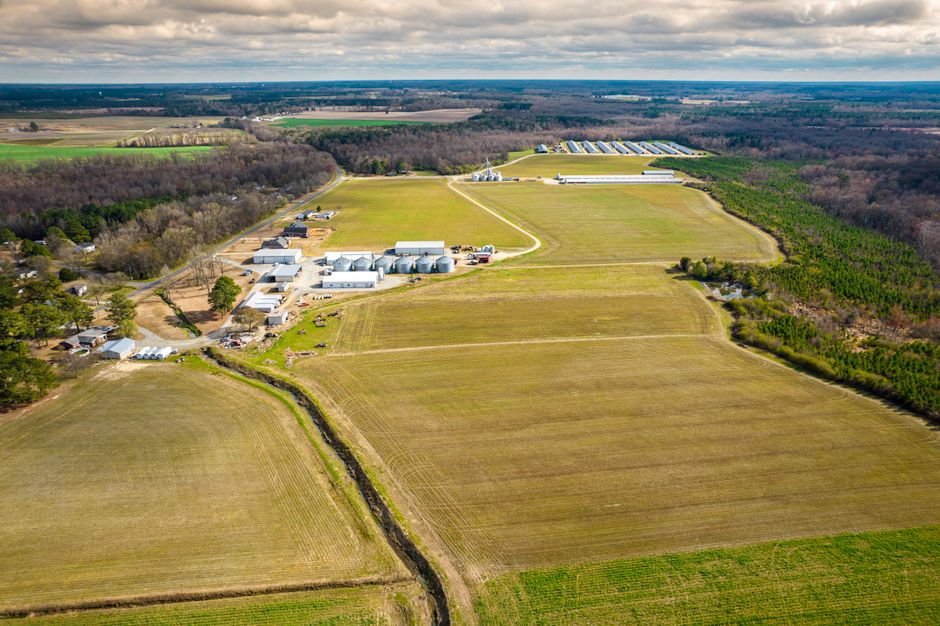
In a striking turn of events, a local farmer’s land donation to the city of Ashburn has morphed into a $10 million silver lining, dramatically underscoring the lucrative landscape of data centers in Northern Virginia. This transformation raises important questions about the shifting priorities of municipalities, as they increasingly favor tech infrastructure over traditional community spaces. While the donation is celebrated for its altruistic intentions, its financial implications reveal a broader trend—one that indicates municipalities might prioritize profit-driven tech engagements over nurturing community-centric developments.
The city expects to generate $30 million in tax revenue over the next decade from a gift that initially cost them nothing. This not-so-subtle pivot from public park aspirations to commercial tech installations exemplifies an economic strategy that may redefine municipal finance moving forward.
What Are Data Centers?
Data centers are specialized facilities that house computer systems and associated components, such as telecommunications and storage systems, critical for data processing and storage. They play a vital role in supporting the infrastructure needed for internet services, application hosting, and cloud computing, making them increasingly essential in today’s technology-dependent economy. Imagine a library but centralized and digital—this is where your emails, videos, and online transactions reside, stored in vast rows of servers humming quietly in climate-controlled buildings.
With an ever-growing demand for digital services, data centers are indispensable for developers, businesses embracing digital transformations, and anyone involved in the tech industry. They not only provide the necessary computing power but also significantly contribute to local economies through job creation and tax revenues. As highlighted in Matchbook’s innovative strategy, the rise of tech solutions further illustrates this correlation.
How Data Centers Work in Practice
Understanding how data centers operate gives a glimpse into their far-reaching impact. Here are several real-world examples illustrating how data center investments translate into valuable economic assets.
-
Amazon: The tech giant has established a significant presence in Virginia, leveraging the state’s favorable data center policies and climate. Amazon Web Services, the company’s cloud computing arm, accounts for a substantial portion of its overall growth, generating billions in revenue. This expansion has allowed local municipalities to reap immediate financial benefits from property taxes and job creation, echoing insights from OpenAI’s recent developments in the tech space.
-
Equinix: As one of the largest data center providers globally, Equinix continues to dominate the Northern Virginia market. The company reported Q2 2023 revenues surpassing $1.7 billion, driven largely by growing demand for data infrastructure. This shows that for every additional facility, municipalities can anticipate millions in annual tax revenue, further ensuring the economic viability of such projects.
-
Digital Realty: This global operator has invested heavily in Virginia, opening new facilities that facilitate cloud computing and digital content services. The company’s impact is reflected in its ability to provide an estimated $1.5 million in annual tax revenues per facility, considerably bolstering the local economy against potential budget cuts elsewhere, as depicted in recent discussions around digital privacy concerns.
-
Microsoft: Announcing plans for massive expansion in Virginia, Microsoft is constructing new data centers that will serve its Azure cloud services. With a projected investment exceeding $1 billion, this initiative exemplifies how tech companies contribute to local economies, particularly in areas where there is strong demand for data services.
These examples illustrate a broader trend toward tech investment, enhancing municipal budgets and driving employment.
Top Tools and Solutions
Optimizing your involvement with data centers or understanding their potential can be enhanced through several tools tailored for real estate and tech integration. Here are some recommended tools for professionals in this space:
Instantly — This cold email outreach and lead generation platform can help companies reach out effectively to potential clients, creating opportunities for data center operators looking to expand their client base.
BookYourData — A comprehensive B2B data and lead generation platform, ideal for professionals seeking to understand market demands and trends that influence data center occupancy and utility.
Marketing Blocks — An AI-powered marketing content creation platform that can support campaigns designed to market services provided by data centers, which can be critical as companies compete for clients.
Eth-phishing-detect discusses various security concerns that may arise in the digital landscape, further emphasizing the importance of robust data center operations.
In conclusion, as local economies begin to rely more on the financial influx provided by data centers, it will be crucial for municipalities to balance tech advancements with community needs and values. The trends suggest a pivotal moment in how public resources are allocated and managed for future growth.
Recommended Tools
- LearnWorlds — Online course creation and selling platform
- Spocket — Dropshipping platform connecting retailers with suppliers
- Seamless AI — AI-powered sales prospecting and lead generation
- Carepatron — Healthcare practice management platform
- Diginius — Digital marketing intelligence platform
- Marketing Boost — Done-for-you vacation incentives and marketing tools to boost sales conversions and customer loyalty