
By Dana Kim, Crypto Markets Analyst
Last updated: May 19, 2026
FBI Eyes License Plate Data: A Nationwide Surveillance Game-Changer
The FBI plans to deploy over 2 million license plate readers across the United States, marking a radical shift in surveillance capabilities that few anticipate. This expansion reflects a growing urgency within law enforcement to utilize advanced technology for public safety. However, the implications for privacy rights are profound, raising concerns around government overreach and the erosion of civil liberties. As the complexities of modern surveillance technology merge with national security efforts, stakeholders must navigate an increasingly contested intersection of safety and freedom.
The anticipated FBI initiative to harness license plate data may enhance crime prevention and investigation efforts. However, this ambition casts a long shadow over individual privacy rights, setting the stage for a contentious battle between surveillance and civil liberties. Critical questions arise regarding the ownership and management of massive troves of data, especially given that technology firms like Flock Safety already operate thousands of plate readers that could integrate with FBI systems. Understanding these developments is critical for technology advocates and privacy activists, as they signal possible shifts in policy and ethical practices.
What Are License Plate Readers?
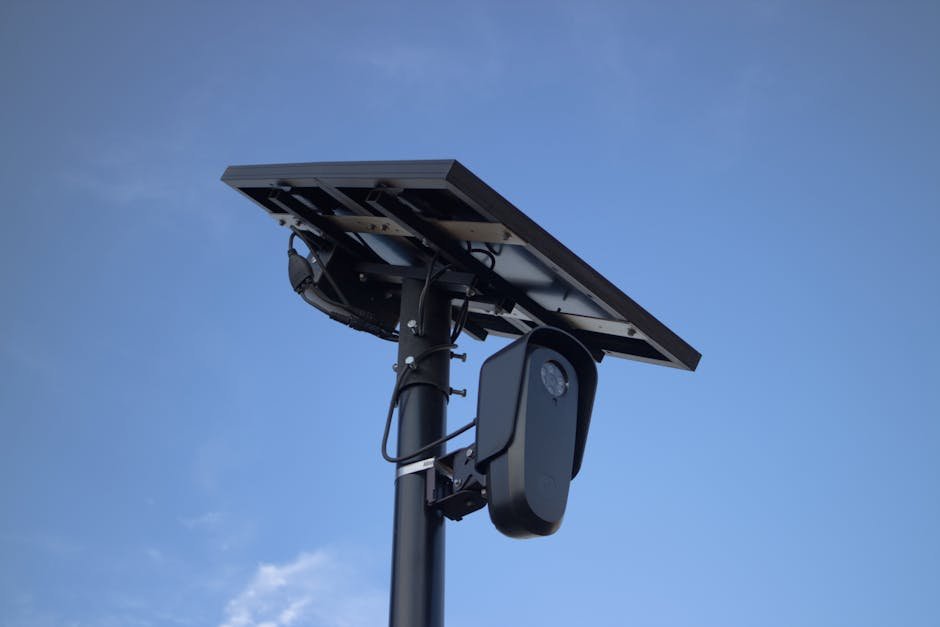
License plate readers (LPRs) are automated camera systems that scan and record vehicle license plates in real-time. These devices convert images into digital data, enabling law enforcement to track vehicle movements and identify potential threats. With the FBI’s increased interest in LPR technology, the implications for public safety and privacy rights are becoming more vital than ever. This raises a crucial analogy: akin to a city outfitted with surveillance cameras for traffic management, across the U.S., a network of LPRs could result in ubiquitous monitoring of citizens’ movements.
How License Plate Readers Work in Practice
LPR technology has already demonstrated its practical applications in police work and transportation management. For example, in Alameda County, California, law enforcement agencies reported a 40% increase in recovered stolen vehicles thanks to LPR integration in patrol cars. Resources are now efficiently directed towards identifying flagged vehicles, expediting police response times.
Flock Safety, a leading provider of camera systems, illustrates another successful LPR implementation. With thousands of license plate cameras deployed nationwide, the company facilitates neighborhood safety through community partnerships. In 2022 alone, Flock Safety reports that more than 1,000 crimes were solved due to their camera system’s integrations with local law enforcement. Such partnerships exemplify how the use of LPRs can deliver tangible benefits to communities, emphasizing the critical role technology plays in crime reduction.
A third use case can be found in the city of Memphis, Tennessee, where the police department implemented LPRs to tackle increasing crime rates. According to their data, 88% of vehicle-related crimes are resolved with the assistance of LPR technology already in use. The results demonstrate how real-time data can boost the efficacy of police departments in urban environments.
Integrating companies like NEAR, known for their advanced analytics technology, might redefine how this data is processed and leveraged. Such partnerships signal a broader trend towards employing data analytics in conjunction with surveillance, which may deepen insights but also raise significant ethical considerations that stakeholders must address.
Top Tools and Solutions
Understanding the landscape of surveillance technology and its implications is crucial for stakeholders in law enforcement, data privacy, and technology. Here are some recommended tools that can help navigate these advancements:
-
Typeform — An interactive form and survey builder ideal for gathering public opinions and data on surveillance practices.
-
BlackboxAI — An AI coding assistant and developer tool best suited for tech professionals working on integrating LPR systems.
-
Accelerated Growth Studio — A growth marketing platform for scaling businesses, particularly useful for firms focused on law enforcement technologies.
-
Smartlead — Connect unlimited mailboxes with auto warm-up and run outreach via email, SMS, WhatsApp, and Twitter, valuable for community engagement.
-
KrispCall — A cloud phone system for modern businesses, supporting communications around law enforcement and community safety initiatives.
-
Apollo — An AI-powered B2B lead scraper that provides verified emails and email sequencing, beneficial for outreach to stakeholders in surveillance technology.
Common Mistakes and What to Avoid
Multiple pitfalls can undermine the effectiveness of surveillance technology in law enforcement:
-
Over-reliance on Technology: Police departments that heavily rely on LPR data without human verification have faced backlash for wrongful detentions. For instance, in 2022, a district in Maryland had to amend wrong arrests stemming from misidentified plates in their LPR database.
-
Data Mismanagement: The case of the Philadelphia Police Department highlights how poor data management can occur. An audit revealed thousands of plates were disappearing from records, resulting in missed investigations and frustration for victims. This underscores the necessity of robust data handling protocols.
-
Ignoring Public Sentiment: The 73% of Americans expressing concerns over government surveillance, according to the Electronic Frontier Foundation, indicates a significant gap in public trust. Misalignment between law enforcement objectives and community expectations can diminish cooperative efforts, leading to missed opportunities for collaboration.
Where This Is Heading
Several trends are emerging in response to the evolving landscape of surveillance technology:
-
Increased Regulatory Oversight: As LPRs become commonplace, expect new regulations governing data privacy and usage. The Electronic Frontier Foundation advocates for stronger legal frameworks to protect citizens, suggesting that within the next year, many states may introduce legislation explicitly addressing surveillance technologies.
-
Broader Data Integration: LPRs will likely integrate more closely with other forms of surveillance, such as facial recognition and social media analytics, creating a more comprehensive system for law enforcement agencies. This integration will help in building actionable insights but raises ethical implications regarding privacy.
FAQ
Q: What are license plate readers?
A: License plate readers are automated systems that capture and record vehicle license plates in real-time. They convert visual images into digital data for law enforcement tracking purposes.
Q: How do license plate readers work?
A: License plate readers capture images of vehicles’ plates and use optical character recognition to transform these into searchable data. This allows law enforcement to quickly identify and locate vehicles of interest.
Q: What is the difference between license plate readers and regular surveillance cameras?
A: While regular surveillance cameras provide general video footage, license plate readers are specifically designed to capture and analyze license plate numbers, enabling targeted enforcement and tracking.
Q: How much do license plate readers cost?
A: The cost of license plate reader systems can vary widely depending on features, implementation, and scale, but they generally range from a few thousand to tens of thousands of dollars per unit, including installation and software.
Q: How can law enforcement agencies implement license plate readers effectively?
A: Effective implementation of LPRs requires training officers on technology use, ensuring proper data handling, and establishing clear community engagement protocols to address public concerns.
Q: What are common mistakes to avoid when using license plate readers?
A: Common mistakes include over-reliance on automated data without human verification, poor data management, and neglecting public sentiment about surveillance practices.
Q: What future trends should we expect in license plate reader technology?
A: Future trends may include enhanced integrations with other surveillance technologies and stronger regulatory frameworks to govern their use, emphasizing a balance between security and privacy rights.
Q: What is the best resource for learning more about surveillance technology?
A: A great resource for staying informed about changes in surveillance technology is the Electronic Frontier Foundation, which provides insights on policy developments and best practices for privacy protection.
Recommended Tools
- Typeform — Interactive form and survey builder
- BlackboxAI — AI coding assistant and developer tool
- Accelerated Growth Studio — Growth marketing platform for scaling businesses
- Smartlead — Connect unlimited mailboxes with auto warm-up. Run outreach via email, SMS, WhatsApp, and Twitter.
- KrispCall — Cloud phone system for modern businesses
- Apollo — AI-powered B2B lead scraper with verified emails and email sequencing.