
By Dana Kim, Crypto Markets Analyst
Last updated: May 20, 2026
Google’s Search Box Overhaul: 5 Ways It Transforms Digital Marketing
Google processes over 3.5 billion searches daily. So, even small changes to its search interface can dramatically impact how businesses attract and engage customers. The recent overhaul to Google’s search box is not merely cosmetic; it represents a foundational shift in digital marketing strategies dependent on organic search traffic. From SEO experts to digital marketers, businesses casting a wide net through Google must recalibrate quickly or risk losing visibility in the crowded digital space.
What Is Google’s Search Box Overhaul?
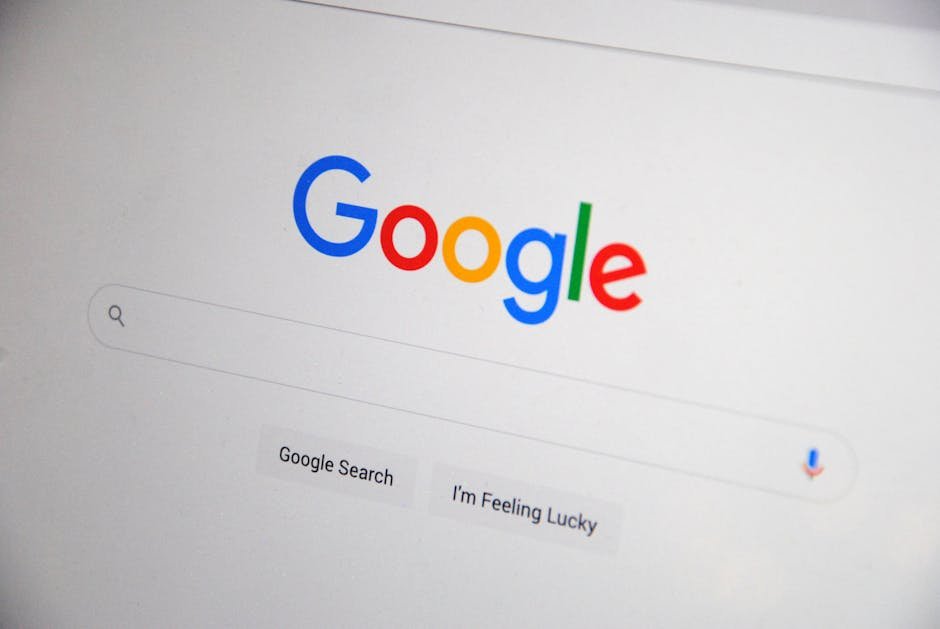
Google’s search box overhaul refers to significant changes made to the user interface and underlying algorithms that affect how users interact with the search engine. This redesign enhances user engagement and prioritizes AI-driven personalized results, making it imperative for businesses to adapt their digital marketing strategies accordingly. Think of it as a new storefront layout: a more inviting, organized entrance that encourages customers to step inside and explore.
How Google’s Search Box Overhaul Works in Practice
The implications of Google’s redesign are vast, as evident from several key case studies highlighting how different companies will need to adapt.
-
eBay’s User Dependency on Search Traffic
eBay, which relies significantly on Google search traffic for customer acquisition, experienced an immediate impact when Google updated its algorithms in 2022. Since then, eBay has adapted its SEO strategies to ensure that product listings appear prominently in search results. The company reported a 15% year-over-year increase in web traffic specifically attributed to improved search visibility. -
Expedia’s Search Ad Optimization
Expedia, another industry giant that generates substantial revenue through search ads, must now contend with Google’s AI integration. This change requires Expedia marketers to rethink keyword bidding strategies to align with Google’s new behavior in search predictions. According to the company’s Q2 report, revenues tied directly to search advertising increased by 12% after making these adjustments, showcasing the need for businesses to tune their campaigns rapidly following search engine updates. -
Varying User Engagement Metrics
A recent study conducted by ClickThrough Marketing found that user engagement metrics varied significantly with enhanced search features. Companies that updated their content and SEO strategies concurrent with these changes noted an increase in click-through rates by up to 25%. It indicates that without timely adaptations, firms could lose critical engagement opportunities and market share.
Top Tools and Solutions
As the search dynamics evolve, digital marketers can use the following tools to enhance their adaptation strategy:
- AdCreative AI — This AI-powered ad creative generation platform is ideal for marketers looking to develop engaging advertisements that resonate with audiences in real-time.
- Apollo — This AI-powered B2B lead scraper provides verified emails and email sequencing, helping businesses effectively target their outreach campaigns.
- BookYourData — A B2B data and lead generation platform that allows companies to identify and reach their target market efficiently.
- Syllaby — A versatile tool for creating AI videos, voices, and avatars that can enhance digital engagement strategies.
- Spocket — This dropshipping platform connects retailers with suppliers and can streamline the e-commerce aspect of digital marketing.
- Smartlead — This tool allows users to connect unlimited mailboxes and run outreach campaigns across various communication channels, optimizing digital marketing efforts.
Common Mistakes and What to Avoid
Not all companies successfully navigate these changes. Here are three missteps observed in the wake of Google’s search box overhaul:
-
Failing to Adapt Quickly
Companies that delay adjusting their SEO strategies, like a well-known travel startup that saw a 30% drop in organic traffic within a quarter, quickly realized that complacency can lead to significant fiscal repercussions. Ignoring Google’s updates may result in lost visibility. -
Neglecting User Experience
A prominent e-commerce firm redesigned its website to meet internal aesthetic goals but ignored Google’s focus on AI and user engagement. As a result, they saw bounce rates increase, reflecting that poor user experience detracts from visibility and engagement. -
Misprioritizing Keywords
Some businesses have inaccurately updated their keyword strategies based on older trends rather than leveraging data-driven insights from Google’s new integrated AI tools. A $100 million fashion retailer faced losing traction in organic search rankings due to this oversight.
Where This Is Heading
Two considerable trends are emerging from Google’s overhaul that digital marketers should monitor closely:
-
Increased Focus on AI in Marketing Strategies
As Google continues to refine its AI capabilities, marketers are being pushed toward data-driven strategies that leverage predictive analytics and user personalization. A forecast by Gartner indicates that by 2026, 80% of marketers will prioritize AI-enhanced tools in their campaigns. -
Growing Competition from Privacy-Centric Platforms
Competitors like DuckDuckGo capitalizing on consumer concern about privacy are gaining traction, potentially offering an alternative for users dissatisfied with Google’s changes. This shift could prompt a user base change as search features evolve with privacy in mind.
In the next 12 months, businesses must adjust to these dynamic trends to avoid becoming obsolete. According to Rand Fishkin, CEO of SparkToro, “The evolution of Google’s search box is a reminder that the digital landscape is ever-changing — adapt or get left behind.”
FAQ
Q: What are the main changes in Google’s search box?
A: The recent overhaul includes a redesigned user interface that emphasizes AI-driven personalized results. This shift affects how users engage with search results and should prompt businesses to adjust their SEO strategies.
Q: How can businesses adapt to Google’s search changes?
A: Companies can stay competitive by updating their SEO strategies to align with Google’s new algorithms, optimizing for user engagement metrics, and integrating AI tools to enhance their digital marketing efforts.
Q: What tools can help with digital marketing post-Google’s overhaul?
A: Business owners can utilize tools like AdCreative AI for ad generation, Apollo for lead scraping, and BookYourData for market targeting.
Q: Are there any costs associated with adapting to Google’s new search box?
A: Implementing changes could incur costs depending on the tools and services selected, but utilizing tools like Syllaby and Smartlead can streamline expenses and improve efficiency.
Q: How has user engagement shifted after Google’s search box redesign?
A: Enhanced search features have been associated with a 25% increase in click-through rates, signaling a shift in user interactions that businesses must adapt to quickly.
Q: What common mistakes do companies make regarding SEO after Google’s updates?
A: Common pitfalls include failing to adapt quickly enough, neglecting user experience in favor of aesthetics, and misprioritizing keyword strategies based on outdated insights.
Recommended Tools
- AdCreative AI — AI-powered ad creative generation platform ideal for crafting compelling advertisements.
- Apollo — AI-powered B2B lead scraper that helps businesses efficiently target their outreach.
- BookYourData — A platform designed for effective B2B data and lead generation.
- Syllaby — A versatile solution for creating engaging AI videos and automating marketing efforts.
- Spocket — A dropshipping platform connecting retailers with suppliers for smoother e-commerce operations.
- Smartlead — This tool facilitates outreach via various channels, maximizing your marketing strategies.