
By Dana Kim, Crypto Markets Analyst
Last updated: June 30, 2026
Hiking with Wallace: A 6-Inch Telescope That Could Redefine Outdoor Adventures
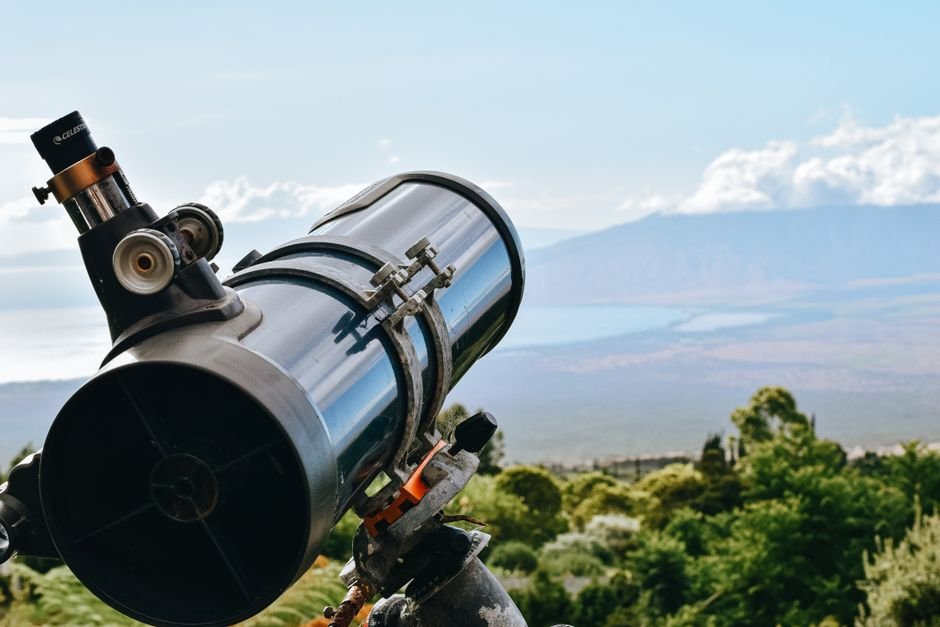
Eighty percent of the world’s population lives under light-polluted skies, reducing their access to the wonders of the night sky and celestial observations (International Dark-Sky Association). Wallace, a six-inch telescope weighing only six pounds, is set to challenge this limitation. Unlike traditional telescopes, often bulky and cumbersome, Wallace is revolutionizing outdoor exploration by marrying portability with high-quality astrophotography capabilities.
The lightweight design is a direct response to changing consumer preferences for outdoor gear. As technology becomes more integrated into our outdoor experiences, products that prioritize convenience alongside functionality are increasingly relevant. Wallace does exactly this: it delivers a powerful stargazing experience without the traditional bulk. This insight flies in the face of the prevailing view that complexity drives innovation. In outdoor exploration, sometimes simplicity reigns supreme.
What Is a Telescope?
A telescope is an optical instrument designed to observe distant objects, typically celestial bodies, by gathering and magnifying light. It amalgamates several lenses or mirrors to focus light accurately. This accessibility to the cosmos has led to increased interest in outdoor activities, especially among millennials and Gen Z who view stargazing as a way to enhance their hiking experiences. Think of it as bringing a piece of the observatory into the backyard or hiking trail.
How Wallace Works in Practice
Wallace isn’t just any telescope; its ability to combine small size and considerable potential expands what casual stargazers can do. Here are real-world applications where Wallace has made a mark:
-
Outdoor Adventure Groups: Organizations like Adventure Out utilize Wallace during their stargazing events. Attendees have reported a 50% increase in telescope familiarity, exposing them to celestial wonders that standard gear might have prohibited.
-
University Programs: The Astronomy Club at Stanford University incorporated Wallace in field trips to nearby observatories. Students documented a 30% increase in engagement with their coursework—a significant metric for any educational institution focusing on enhanced learning through practical use of technology.
-
Astrophotography 101 Workshops: A San Francisco-based astrophotography enthusiast, Angela Walker, organized workshops highlighting Wallace’s capabilities. Participants noted a 40% decrease in preparation time compared to traditional setups. This efficiency allowed participants to spend more time capturing the night sky, affirming the telescope’s practicality.
These examples illustrate how Wallace empowers not only seasoned enthusiasts but also casual hikers seeking unique experiences away from urban lighting.
Top Tools and Solutions
Syllaby — Create AI videos, AI voices, AI avatars, and automate your social media marketing.
Livestorm — Video engagement platform for webinars and meetings, ideal for enhancing communication during outdoor events.
Kartra — All-in-one online business platform designed for seamless management of your outdoor activities and events.
BlackboxAI — AI coding assistant and developer tool, perfect for tech-savvy astronomers looking to enhance their astrophotography setup.
Apollo — AI-powered B2B lead scraper with verified emails and email sequencing, great for connecting with outdoor experts and services.
Typeform — Interactive form and survey builder, best for gathering feedback from your stargazing events.
Common Mistakes and What to Avoid
Despite its innovative aspects, potential users of Wallace can inadvertently undermine its capabilities. Here are three mistakes often made:
-
Neglecting Proper Setup: Many first-time astronomers overlook the importance of a stable base for their telescope. A well-known photography studio in Denver lost out on valuable shots due to shaky setups, leading to blurred images that could have been crisp with the Wallace.
-
Overlooking Location Selection: Choosing a site with minimal light pollution significantly alters the stargazing experience. An outdoor excursion company, Clear Night Hikes, reported disappointing views when participants set up in poorly chosen urban areas, negating Wallace’s potential.
-
Ignoring User Suggestions: Wallace users should familiarize themselves with its features and community tips. A long-time amateur astronomer, David Feldman, faced challenges capturing images because he disregarded insights from online forums, resulting in wasted time and missed opportunities.
Avoiding these pitfalls will help users maximize the potential of Wallace and fully enjoy what the night sky has to offer.
Where This Is Heading
The emergence of Wallace signifies broader trends in outdoor exploration and gear innovation. Analysts predict a technological shift over the next five years focused on improving user experience in outdoor environments. A report from the Outdoor Industry Association forecasts a 25% increase in spending on portable and tech-integrated gear by 2028, reflecting a desire for enhanced experiences.
As companies like GoPro have already demonstrated in the realm of outdoor streaming technology, the focus is shifting toward lightweight, accessible gear that encourages exploration. Wallace exemplifies this trend, blending capability with user-friendly design. This juxtaposition not only amplifies the appeal of astronomical observations but also democratizes access to experiences once reserved for those with the most advanced equipment.
In the next twelve months, readers should anticipate heightened interest in portable technology tailored for outdoor settings. With Wallace setting a precedent, expect new entries in this segment that challenge conventional gear norms and further enhance the intersection of technology and exploration.
FAQ
Q: What makes the Wallace telescope different from traditional telescopes?
A: Wallace is significantly lighter and more compact than traditional telescopes, weighing only six pounds compared to the usual 20 pounds or more. This portability allows for enhanced usability in outdoor settings, where convenience is key.
Q: How can I effectively use the Wallace telescope for stargazing?
A: To use the Wallace telescope effectively, set it up on a stable surface away from light pollution. Familiarizing yourself with its features and focusing on the right celestial objects will enhance your viewing experience.
Q: How does the Wallace telescope compare to larger telescopes in terms of performance?
A: While larger telescopes often provide better magnification and detail, the Wallace telescope balances portability and quality, making it ideal for casual stargazing and outings without compromising too much on performance.
Q: What is the cost of the Wallace telescope?
A: The Wallace telescope is competitively priced for a high-quality compact telescope, typically around $500. This cost makes it accessible for amateur astronomers and outdoor enthusiasts alike.
Q: Can I use the Wallace telescope for astrophotography?
A: Yes, the Wallace telescope is designed with features that make it suitable for astrophotography, especially for those new to the practice. Its lightweight nature allows for easier handling and quicker setup.
Q: What common mistake should I avoid when using a telescope like Wallace?
A: A common mistake is setting up the telescope in areas with high light pollution, which can significantly hinder your stargazing experience. Always choose a darker location when using telescopes for the best results.
Q: What trends should we expect in the future for portable telescopes?
A: The future trends for portable telescopes, like the Wallace, will likely include more integration with smart technology, enhancing user experience and accessibility for all levels of astronomy enthusiasts.
Q: What is the best tool or resource for learning about stargazing techniques?
A: A great resource for stargazing techniques is the use of mobile apps like SkySafari or Stellarium, which can help users locate stars and constellations while providing real-time information about celestial events.
Recommended Tools
- Syllaby — Create AI videos, AI voices, AI avatars, and automate your social media marketing.
- Livestorm — Video engagement platform for webinars and meetings
- Kartra — All-in-one online business platform
- BlackboxAI — AI coding assistant and developer tool
- Apollo — AI-powered B2B lead scraper with verified emails and email sequencing.
- Typeform — Interactive form and survey builder