
By Dana Kim, Crypto Markets Analyst
Last updated: June 28, 2026
IP Crawl: 1 Million Open Webcams Expose Privacy Risks and Potential Gains
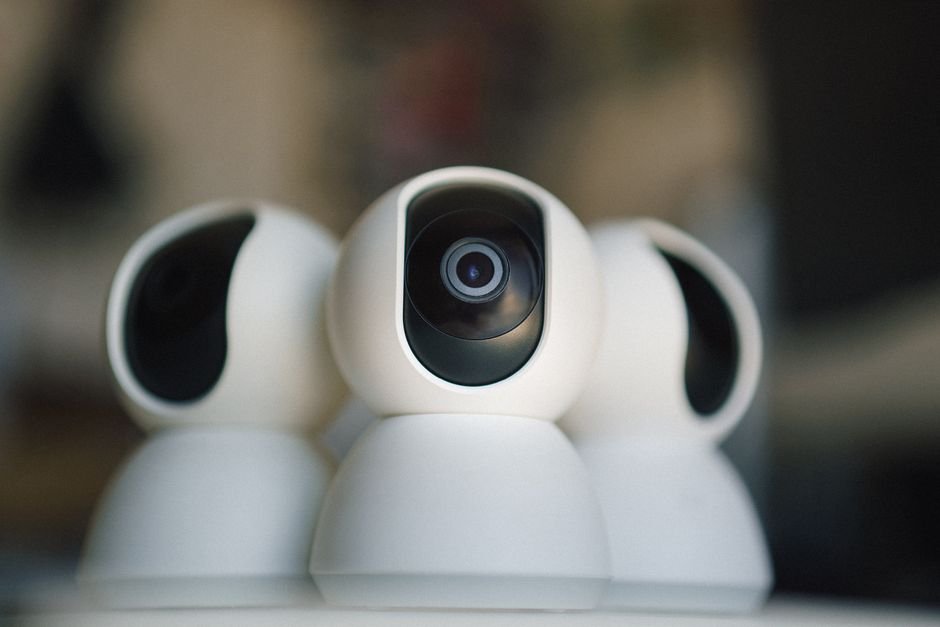
More than 1 million open webcams were identified in a recent IP Crawl report, revealing that approximately 10% of all IP cameras leave their feeds entirely exposed. This staggering statistic underscores a critical security gap that the tech industry is failing to adequately address, especially as remote work has skyrocketed, increasing webcam sales by 43% year-over-year according to Market Research Reports. While mainstream discourse fixates on the sensationalism of exposed cameras, the true peril lies in the data harvested from these feeds, opening the door to a new wave of privacy infringements and cybercrime.
What Is IP Camera Exposure?
IP camera exposure occurs when internet-connected cameras are improperly secured, allowing unauthorized access to live video feeds. This phenomenon presents significant privacy risks for individuals and organizations as personal data can be easily exploited. Just as an unlocked front door invites potential intruders, exposed webcams do the same for cybercriminals.
Why Understanding This Matters Now
As society moves towards increasing reliance on connected devices, the challenges associated with the privacy and security of these gadgets become paramount. Stakeholders in security policy and personal data protection must grasp the vulnerabilities tied to everyday tech gadgets, as these risks impact how they manage security in their portfolios. Understanding the implications of these vulnerabilities is vital, especially as illustrated in studies like that of How .self Could Revolutionize Personal Digital Sovereignty by 2025, highlighting the urgent need for better security practices.
How IP Camera Exposure Works in Practice
-
Raspberry Pi Hacking: Individuals can utilize Raspberry Pi devices to access a range of IP camera streams. The familiarity of setting up a Raspberry Pi among tech enthusiasts poses a serious threat. For instance, a hacker in Sacramento used a Raspberry Pi to access several unsecured webcams, pulling in sensitive footage without any sophisticated tools. This illustrates how easily hackers can breach inadequately protected camera feeds.
-
Cybersecurity Research Group’s Findings: According to a survey by Cybersecurity Research Group, 62% of users fail to change default passwords on digital devices, creating a massive vulnerability. Companies dual-functioning as both technology providers and consumers—like Ring, known for its home security cameras—could potentially open themselves up to attacks that exploit this lapse in user behavior, as seen in discussions surrounding Supreme Court Ruling: 5 Facts on Geofence Warrants Changing Privacy Rules.
-
Law Enforcement Usage: Law enforcement agencies have begun leveraging real-time webcam feeds for surveillance without clear public consent, raising ethical concerns. Cities such as Los Angeles have utilized extracted feeds for street surveillance, prompting debates around privacy versus security. This practice can lead to a significant erosion of civil liberties if not regulated correctly.
-
Nest’s Missteps: Nest, a leader in smart home products, faced backlash during a 2019 incident when users discovered that their feeds were accessible without proper security measures. This prompted an urgent re-evaluation of their data handling policies amidst rising security concerns, akin to issues raised in Unlocking Communication: Meta’s Brain-to-Text Breakthrough Changes Everything.
Top Tools and Solutions
Money Robot — Generate unlimited web 2.0 backlinks automatically and is best for marketers looking to enhance their SEO strategies for a low monthly fee.
Catalister — A product catalog and listing management platform ideal for businesses seeking to streamline their product availability.
Dify — An open source LLM app development platform perfect for developers interested in building customizable AI applications.
Gamma — An AI-powered presentation and document builder, designed for professionals needing to create impactful presentations quickly.
CallHippo — A virtual phone system for businesses enabling efficient communication without traditional landlines.
Accelerated Growth Studio — A growth marketing platform tailored for scaling businesses aiming to increase their outreach.
Common Mistakes and What to Avoid
-
Neglecting Security Settings: The failure to activate built-in security features has exposed countless webcams. Smart homes have seen incidents where individuals streamed live feeds directly to the web due to this oversight. High-profile cases include instances where families unknowingly broadcast their homes to the world.
-
Default Password Usage: As previously mentioned, 62% of users do not change default passwords, allowing hackers to leverage these easily accessible credentials to gain full control. Ring cameras have been the subject of several incidents where attackers exploited this behavior. Companies need to stress the importance of changing default passwords in their user onboarding instructions.
-
Underestimating Device Risks: Users often overlook the privacy implications of every connected device. This was highlighted when a family in New Jersey discovered their baby monitor was accessible online. Manufacturers must take responsibility for providing adequate user education.
Where This Is Heading
The future landscape of IP camera security is likely to evolve in response to these vulnerabilities. As research firm Gartner predicts, there will be a significant push towards enhanced security measures for IoT devices by 2025. This includes the introduction of mandatory cybersecurity regulations that will force companies like Ring and Nest to reassess their data and privacy policies.
Additionally, organizations will incorporate machine learning algorithms to automatically detect unauthorized access. An analyst from Chainalysis predicted that the emergence of decentralized privacy-focused technologies will bolster user confidence but might simultaneously give rise to new methods of exploitation.
In the next 12 months, stakeholders in security policy need to prepare for more stringent regulations and to consider the implications of these evolving trends on their data protection strategies.
FAQ
Q: What are open IP cameras?
A: Open IP cameras are internet-connected cameras that lack security measures, allowing unauthorized access to their video streams. This poses a significant risk to privacy and security.
Q: How can I secure my webcam?
A: To secure your webcam, change any default passwords, regularly update the camera’s software, and use strong passwords. In addition, consider implementing two-factor authentication if available.
Q: What are common vulnerabilities in IP cameras?
A: Common vulnerabilities in IP cameras include failing to change default passwords, neglecting security settings, and overlooking the need for regular software updates. These factors can lead to unauthorized access.
Q: How much do secure IP cameras cost?
A: Secure IP cameras typically range from $50 to $300, depending on features like resolution, connectivity, and security measures. Investing in a reputable brand can protect against security risks.
Q: What advanced security measures can I implement for my IP cameras?
A: Advanced security measures include enabling two-factor authentication, using VPNs for camera access, and regularly monitoring camera activity for unauthorized access. Implementing these can enhance overall security.
Q: What common mistakes should I avoid with IP cameras?
A: Common mistakes include using default passwords, neglecting to secure camera settings, and failing to regularly update the software. Addressing these mistakes can significantly improve camera security.
Q: What is the future trend for IP camera security?
A: The future trend indicates a push for stricter regulations and enhanced security measures for IoT devices, including IP cameras. Machine learning may also play a role in detecting unauthorized access automatically.
Q: What is the best resource for learning about IP camera security?
A: A highly recommended resource for learning about IP camera security is Cybersecurity frameworks or governmental cybersecurity guidelines that provide comprehensive insights into securing connected devices.
Recommended Tools
- Catalister — Product catalog and listing management platform
- Dify — Open source LLM app development platform
- Gamma — AI-powered presentation and document builder
- Money Robot — Generate unlimited web 2.0 backlinks automatically. Creates spun blogs on autopilot.
- CallHippo — Virtual phone system for businesses
- Accelerated Growth Studio — Growth marketing platform for scaling businesses