
By Dana Kim, Crypto Markets Analyst
Last updated: June 17, 2026
Mechanical Watches: Why the Resurgence of Vintage Timepieces Signals a New Era
Luxury watches have surprisingly thrived amidst the digital age, with sales soaring by 50% in 2022, according to Morgan Stanley. This isn’t merely a fleeting trend; it’s indicative of a deeper cultural shift that elevates craftsmanship over the allure of smart technology. As smartwatches saturate the market, mechanical timepieces—especially vintage models—are being celebrated not just for their artistry but also as investments that appreciate in value. The vintage watch market is not fading into obscurity; it is flourishing, revealing a consumer base increasingly interested in authenticity, heritage, and investment potential.
Beyond conventional wisdom that equates technological advancement with user preference, luxury watch enthusiasts are seeking pieces that hold significance. Old-world craftsmanship and classic designs have become emblematic of personal stories and investment savvy rather than fleeting novelty. This article explores the paradox wherein an era defined by rapid technological innovation simultaneously fuels a reclaiming of history and artistry through the resurgence of mechanical watches.
What Are Mechanical Watches?
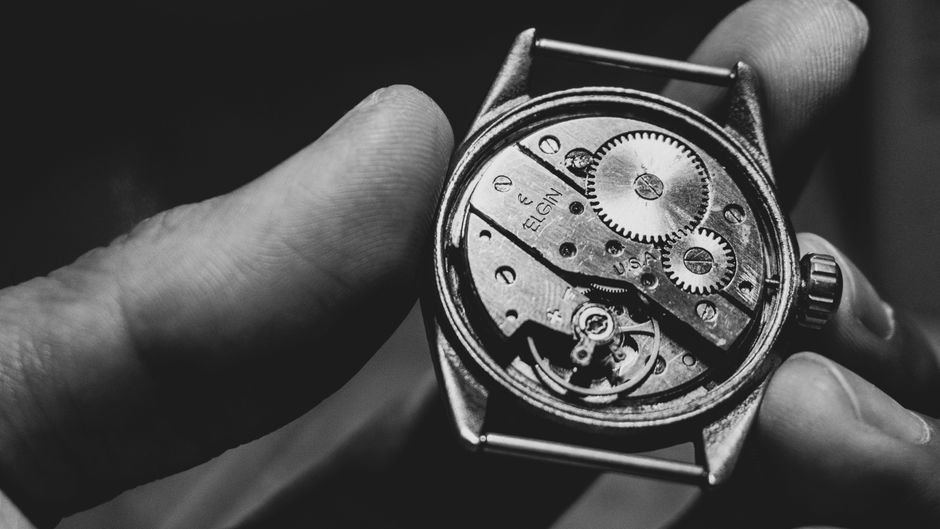
Mechanical watches are traditional timepieces powered by intricate mechanical movements rather than batteries or digital screens. They function through a series of gears, springs, and intricate engineering that translates energy into timekeeping. This meticulous craftsmanship requires expert horologists, who often hone their skills over decades. For collectors and investors, mechanical watches epitomize a confluence of artistry and precision—a blend that often resonates more profoundly than the multifunctionality of smartwatches.
This matters now more than ever because the luxury watch sector serves as an emerging economic beacon amid digital noise. In a world where technology often overshadows craftsmanship, mechanical watches symbolize a yearning for tangible excellence that has roots in history. Simply put, they’re akin to owning a piece of art that not only tells time but also signifies an enduring legacy.
How Mechanical Watches Work in Practice
The resurgence of mechanical watches is not merely anecdotal; it’s manifested in concrete examples that underscore the burgeoning market and its tangible impacts:
-
Sotheby’s Auctions: In recent years, Sotheby’s has led the market in auctioning high-value vintage watches, seeing record prices for models like the Rolex Daytona, which fetched over $3 million at a recent auction. This emphasizes how certain mechanical watches are perceived as luxury investments, with unique craftsmanship and heritage commands commanding vast sums.
-
Chrono24 Marketplace: As one of the largest online marketplaces for luxury watches, Chrono24 has reported that certain mechanical models have appreciated up to 20% per year. Such growth supports the notion that savvy investors are increasingly treating these timepieces as viable financial assets. Gioia De Martino, a Senior Analyst at Chrono24, aptly described this trend: “Watches are now more than just timepieces; they are wearable investments that appreciate over time.”
-
Rolex and Patek Philippe: Both brands have reported substantial interest in their vintage models. Patek Philippe, for instance, noted a steady increase in their Nautilus watches—once a mere sports watch—being revalued for their craftsmanship and rarity, bolstered by millennial buyers who have embraced vintage luxury.
-
Increasing Millennial Buyers: According to Bain & Company, millennials now account for 60% of the luxury watch market. This demographic’s increased disposable income and desire for unique, timeless products suggest a long-term pivot in consumer behavior. They are seeking authenticity, often eschewing smart features for classic designs that resonate with their values and aesthetics.
Top Tools and Solutions
Instapage — A high-converting landing page builder ideal for marketers looking to create effective campaigns quickly using AI.
HighLevel — This all-in-one sales funnel and CRM platform is tailored for agencies and entrepreneurs aiming to streamline their client acquisition processes.
Kit — An email marketing platform designed for creators and entrepreneurs who wish to engage their audience effectively.
Close CRM — A sales CRM specifically built for high-velocity sales teams to manage leads and close deals efficiently.
ThorData — A business data analytics platform providing insights for businesses to gauge their performance effectively.
Smartlead — This platform connects unlimited mailboxes with auto warm-up, facilitating outreach via email, SMS, WhatsApp, and Twitter.
Disclosure: Some links in this article may be affiliate links. We may earn a small commission at no extra cost to you. This does not influence our recommendations.
Common Mistakes and What to Avoid
Even seasoned collectors can falter. Here are common missteps to avoid:
-
Overlooking Provenance: Many buyers neglect to verify the provenance of a piece. For example, a buyer at a Christie’s auction purchased a watch without confirming its history, only to discover it was a replica, leading to a significant loss in financial value.
-
Ignoring Market Trends: A retail store that focused solely on new luxury watches without recognizing the growing demand for vintage models faced declining sales. Conversely, adapting inventory to include vintage pieces would have aligned better with market trends.
-
Underestimating Condition and Restoration: Collectors sometimes purchase distressed watches without considering restoration costs. A collector who bought a vintage Omega Seamaster without assessing its repair needs ended up spending twice the purchase price on repairs.
Where This Is Heading
The mechanized watch market shows no signs of slowing down. Analysts highlight several trends that will shape the industry’s future:
-
Digital Integration: While the core of mechanical watches remains analog, many brands are incorporating digital elements for enhancing customer experience. For instance, TAG Heuer has introduced watches that sync with smartphones, blending traditional mechanics with modern technology. This trend is set to expand significantly.
-
Investment Shift: According to Bain & Company, luxury watches will continue to shift towards being identified as investment assets rather than mere timekeeping devices. By 2025, the vintage watch market is projected to grow further, fueled by an influx of millennial buyers.
-
Sustainability Awareness: As environmental concerns rise, brands that focus on sustainable practices in both sourcing and production will see increased consumer support. Brands like Swatch Group are already beginning to market eco-friendly watches, highlighting their sustainability efforts.
For investors and collectors, the implications are clear: the next 12 months will likely yield an evolving landscape where authenticity, sustainability, and digital craftsmanship converge, redefining what ‘luxury’ means in the watch sector.
FAQ
Q: What are mechanical watches?
A: Mechanical watches are traditional timepieces that operate on intricate mechanical movements without relying on batteries. Their craftsmanship and engineering make them both functional and collectible, appealing to those who appreciate artistry and precision.
Q: How can I verify the authenticity of a mechanical watch?
A: To verify authenticity, examine the watch’s serial number, inspect its markings, and consult an expert or utilize auction house resources. Many trusted platforms can help confirm a watch’s credibility to prevent costly mistakes.
Q: What’s the price range for vintage mechanical watches?
A: Vintage mechanical watches can vary widely in price, typically ranging from a few hundred dollars for lesser-known brands to several million for highly sought-after models from luxury brands like Rolex or Patek Philippe.
Q: Are mechanical watches still worth investing in?
A: Yes, mechanical watches have shown an upward trend in value appreciation, with certain models increasing by 20% annually. Investing in well-regarded brands and limited editions can yield profitable returns.
Q: How do I start collecting vintage watches?
A: Start by researching reputable brands, attending watch fairs, and joining collector communities. Platforms like Chrono24 offer an excellent introduction to the vintage watch market, providing access to a range of models and pricing information.
Q: What common mistakes do new watch collectors make?
A: New collectors often overlook the importance of provenance, ignore market trends, or underestimate restoration costs. These mistakes can lead to regrettable and costly purchases.
Recommended Tools
Instapage — A fast and efficient tool for creating high-converting landing pages.
HighLevel — An all-in-one platform designed for agency owners to streamline their marketing efforts.
Kit — Ideal for creators looking to enhance their email marketing strategies.
Close CRM — Perfect for sales teams needing a powerful sales CRM to manage leads.
ThorData — A robust analytics platform for businesses seeking actionable insights.
Smartlead — A versatile outreach tool that connects multiple communication channels.