
By Dana Kim, Crypto Markets Analyst
Last updated: June 02, 2026
Nvidia RTX Spark: A Game Changer for Crypto Mining Efficiency
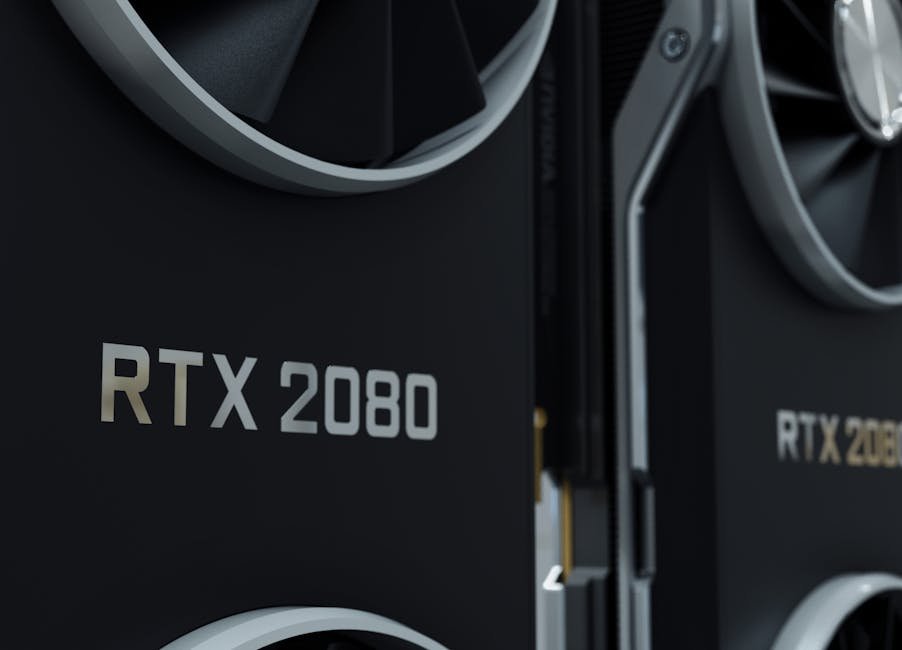
Nvidia claims its latest product, the RTX Spark, can reduce energy consumption in crypto mining by up to 50%. This statistic contrasts sharply with the current average energy use of 1200W for mining rigs, which consume significantly more power, typically costing miners around $0.10 per kWh. Given that the energy overhead is one of the largest expenses for mining operations, the introduction of the RTX Spark could redefine industry standards and impacts, much like when Farmer’s $10M Land Donation Transforms into Data Center Goldmine shifted resource allocation in tech sectors.
As crypto mining faces increasing scrutiny over its environmental impact, Nvidia’s innovation offers a timely solution that balances efficiency with sustainability. The mainstream narratives largely focus on the immediate performance gains, often ignoring a deeper implication: this level of efficiency could push out coal-powered mining operations, fostering a cleaner, more sustainable crypto landscape.
What Is Nvidia RTX Spark?
Nvidia’s RTX Spark is a specialized graphics processing unit designed to optimize energy consumption in crypto mining operations. It aims to deliver superior performance while consuming significantly less energy—reported at only 600W compared to traditional rigs. Its relevance extends to crypto traders, DeFi users, and blockchain developers, all of whom stand to benefit from reduced operational costs. You can think of RTX Spark as the electric vehicle of mining hardware—it remains powerful while minimizing its carbon footprint, similar to the trends seen in Matchbook’s disruptive crypto strategies.
How Nvidia RTX Spark Works in Practice
Several companies are already moving to integrate RTX Spark into their mining operations, anticipating substantial returns on their investments.
-
Marathon Digital Holdings: This leading mining company is set to adopt the RTX Spark to lower its operational costs. Currently, Marathon’s energy expenditures are eating into profits, with reports suggesting that they spend millions annually on electricity. Integrating the RTX Spark could drop their average electricity cost from $0.10 per kWh to below $0.05, presenting significant savings. This innovative approach aligns with the adoption trends noted in strategies for crypto investors.
-
Riot Blockchain: Another major player in the crypto mining landscape, Riot Blockchain plans to replace its outdated mining hardware with the RTX Spark. The company estimates that it can increase its hashrate while simultaneously cutting the overall power consumption by 30%. This shift would not only enhance profitability but also align with broader market expectations for sustainability, akin to initiatives discussed in transformations in crypto careers.
-
Bitfarms: This Canadian-based mining company has expressed intentions to explore energy-efficient solutions, with the RTX Spark prominently featured in discussions. By leveraging this technology, Bitfarms expects to reduce its power requirements, thereby increasing its resilience against fluctuating energy costs.
-
Ethereum Foundation: While not a business in the traditional sense, the Ethereum blockchain, co-founded by Vitalik Buterin, is evolving towards eco-friendliness. Buterin has suggested that advancements in hardware capabilities, like the RTX Spark, could facilitate Ethereum’s ongoing transition to a proof-of-stake consensus mechanism, further promoting sustainable practices in crypto mining.
These concrete examples demonstrate that the RTX Spark stands to disrupt conventional mining operations by injecting efficiency into an energy-intensive process, reminiscent of the shifts observed in startup dynamics in the crypto space.
Top Tools and Solutions
Efficient mining practices require more than just advanced hardware. Here are some useful tools that can aid operations in optimizing workflows:
HighLevel — All-in-one sales funnel, CRM, and automation platform for agencies and entrepreneurs.
Close CRM — Sales CRM built for high-velocity sales teams.
Nutshell CRM — Simple and powerful CRM for sales teams.
Kartra — All-in-one online business platform.
Smartlead — Connect unlimited mailboxes with auto warm-up. Run outreach via email, SMS, WhatsApp, and Twitter.
Campaign Monitor — Email marketing platform for designers.
Common Mistakes and What to Avoid
As businesses transition to more energy-efficient practices, several pitfalls can impede progress.
-
Neglecting Energy Assessments: For example, in 2021, an unnamed U.S.-based mining operation adopted new hardware without proper energy analysis. They ignored that their legacy infrastructure could still be consuming more power than necessary, resulting in higher costs. Comprehensive assessments of existing systems are vital before implementing new technology.
-
Underestimating Costs: Marathon Digital Holdings initially invested heavily in new mining rigs without calculating ongoing operational costs. This oversight led to a budget overrun, marginalizing their profit margins. Accurate forecasting of all associated costs, from electricity to maintenance, is critical for maintaining profitability.
-
Failing to Adapt: A mining company in China, caught in regulatory scrutiny, doubled down on traditional methods rather than exploring the potential of hardware like RTX Spark. Consequently, they faced crippling operational shutdowns. Mining firms must stay adaptable and responsive to market details, aligning their strategies with advancing technologies.
Where This Is Heading
The market for energy-efficient mining solutions is projected to grow by 150% by 2025, according to analysts at market research firm MarketsandMarkets. This trend signals a broader pivot towards sustainability, as energy costs continue to dictate profitability in crypto mining. As illustrated in the discussions surrounding xAI’s shift in the tech landscape, innovation will shape the future.
-
Increasing Regulation: As governments around the world clamp down on energy consumption in mining operations, firms will need to adopt more efficient hardware and practices to remain compliant. This could lead to an uptick in demand for solutions like Nvidia RTX Spark, which align with regulatory goals.
-
Investment in Renewable Sources: More companies are likely to pursue partnerships with renewable energy providers.
Recommended Tools
- HighLevel — All-in-one sales funnel, CRM, and automation platform for agencies and entrepreneurs.
- Close CRM — Sales CRM built for high-velocity sales teams
- Nutshell CRM — Simple and powerful CRM for sales teams
- Kartra — All-in-one online business platform
- Smartlead — Connect unlimited mailboxes with auto warm-up. Run outreach via email, SMS, WhatsApp, and Twitter.
- Campaign Monitor — Email marketing platform for designers