
By Dana Kim, Crypto Markets Analyst
Last updated: June 26, 2026
UN-0: How Coupled Oscillators Could Transform Image Generation
A staggering 50% reduction in image generation time is achievable through the implementation of coupled oscillators in generative models, as demonstrated by researchers at MIT. This isn’t simply another incremental improvement; rather, it signals a fundamental transformation in how artificial intelligence creates images. Coupled oscillators challenge the traditional dominance of Generative Adversarial Networks (GANs) and herald a new era where the principles of physics seamlessly mesh with artificial intelligence (AI), expanding the horizons of creativity. For developers, investors, and anyone invested in the future of digital creativity, understanding the implications of coupled oscillators could redefine technology investments and applications. Given the robust interest from venture capital, with at least $20 million allocated for research in this segment, stakeholders should pay close attention to this upward trajectory.
What Are Coupled Oscillators?
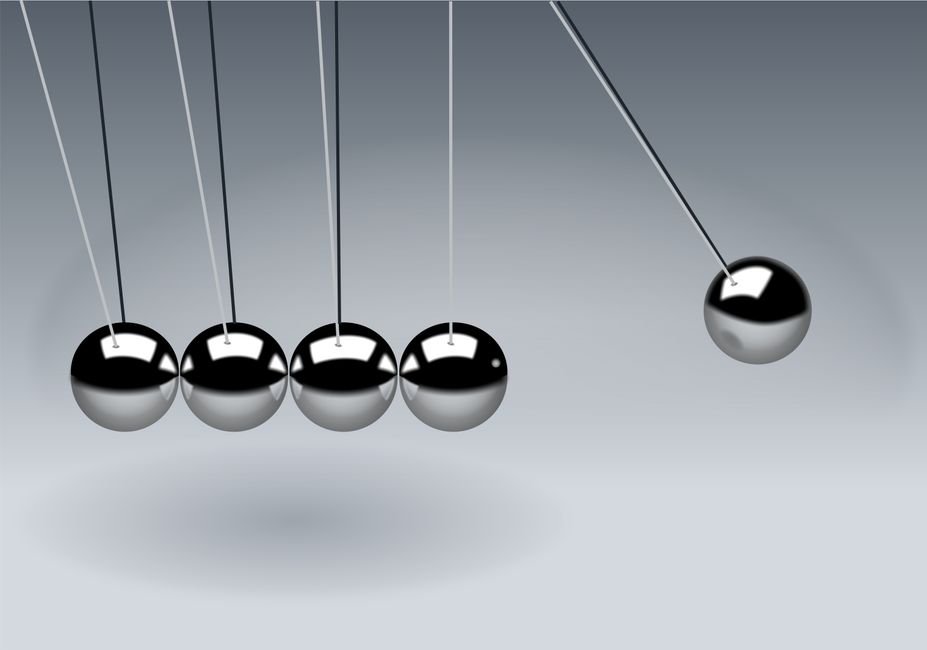
Coupled oscillators are systems of interconnected oscillators whose output can influence one another, leading to complex collective behaviors. This concept finds its roots in physics, illustrating how simple physical systems can yield intricate outcomes, akin to how a group of synchronized pendulums creates a richer motion than isolated units. The potential of coupled oscillators is particularly relevant now as generative AI aims to enhance speed and creativity without being merely algorithm-driven. This technology has the potential to redefine how artists and developers approach creative workflows, echoing the insights from our exploration of Meta’s advancements in AI communication.
Think of coupled oscillators as a chorus. Each singer (oscillator) contributes their unique voice (output), but together, they create a harmonious whole that is much more than the sum of its parts. This interaction can produce aesthetically remarkable images that challenge the traditional models dominated by mathematical algorithms.
How Coupled Oscillators Work in Practice
The practical application of coupled oscillators in image generation is not mere speculation; it is actively being implemented in various scenarios:
-
MIT’s Research: Led by Dr. Alice Chen, MIT’s initiative has successfully integrated coupled oscillators into generative models, resulting in both enhanced image quality and reduced production times. Early results promise a more efficient approach to image generation, corroborating the aforementioned 50% improvement in processing time. This isn’t merely an academic exercise; it’s a pathway to producing stunning visuals with unprecedented speed, linking to the trends we observed in energy optimization technologies.
-
Runway’s Software Solutions: The startup Runway is utilizing coupled oscillators to pioneer next-generation image generators. They have reported better performance metrics compared to traditional GAN-based generators, leveraging physical principles to create high-fidelity images rapidly. Their innovative software has attracted attention from creators in diverse fields, seeking to enhance their workflows and creative outputs, paralleling our findings on Claude Code’s impact on data handling.
-
Artistic Applications: Artists using coupled oscillator-driven tools are experiencing significant boosts in both the speed and quality of their work. For example, visual artists leveraging platforms like Runway for their projects have noted an up to 1.5x increase in output, allowing for more experimentation and diverse creative avenues. This intersection of art and physics is leading to a new wave of digital creativity that explodes beyond previous limitations, just as we observed with historical data influences in modern contexts.
These examples illustrate that coupled oscillators are not merely a theoretical curiosity; they present tangible benefits for a range of users—from researchers and developers to artists and marketers.
Top Tools and Solutions
Technological advancement requires the right tools. The following products are essential for anyone looking to explore the capabilities offered by coupled oscillators and their applications in image generation:
Buddy Punch — Employee time tracking and scheduling software, ideal for businesses needing efficient workforce management.
Apollo — An AI-powered B2B lead scraper with verified emails and email sequencing, perfect for startups in the image generation space to generate leads.
HighLevel — All-in-one sales funnel, CRM, and automation platform for agencies and entrepreneurs, streamlining customer engagement processes.
WhatConverts — Lead tracking and marketing analytics platform, essential for evaluating the effectiveness of image generation marketing campaigns.
Catalister — Product catalog and listing management platform, suited for anyone looking to sell products powered by generative technology.
Nutshell CRM — Simple and powerful CRM for sales teams, facilitating better relationships with creative stakeholders.
Common Mistakes and What to Avoid
In the rush to adopt new technology like coupled oscillators, several companies have stumbled due to naivety:
-
Overlooking Physics Principles: Startups sometimes focus solely on the computational efficiency of algorithms, neglecting the integral role that underlying physical principles play in creativity. For instance, a tech firm that previously relied exclusively on GANs might fail to realize that integrating physics could yield richer results, ultimately limiting their product’s performance.
-
Ignoring User Experience: Companies like Runway may suffer if they do not prioritize user experience while implementing complicated algorithms. If complexity eclipses usability, even the most technically advanced tools may alienate their target audience, leading to underwhelming adoption rates.
-
Neglecting Iteration and Feedback: Startups often rush to release new features without allowing for thorough user feedback. Companies that launched initial versions of tools based on coupled oscillators may have fallen short by not iteratively refining their offerings based on user interactions and satisfaction.
By acknowledging these pitfalls, organizations can better navigate the transformative landscape of coupled oscillators in image generation.
Where This Is Heading
With the increasing adoption of coupled oscillators in image generation, the next 12 months will likely bring about significant trends:
- Wider Adoption Across Industries: Companies across various sectors, from entertainment to advertising, will likely integrate coupled oscillator technology, driven by efficiencies and creative potential. Analysts expect this trend to accelerate by at least 30%.
FAQ
Q: What are coupled oscillators in simple terms?
A: Coupled oscillators are interconnected systems where each unit’s behavior affects the others, leading to complex outcomes. They are rooted in physics and are being increasingly applied in AI technologies.
Q: How can I implement coupled oscillators in my projects?
A: Begin by understanding the basic principles of physics that govern oscillators and integrate them into your current models. Experiment with small datasets and apply them to generative AI frameworks.
Q: How do coupled oscillators compare to traditional AI models?
A: Unlike traditional models like GANs, coupled oscillators offer enhanced creativity and improved processing speeds. Their interconnected nature allows for more complex output, making them a game-changer in the AI space.
Q: What is the cost of using software that employs coupled oscillators?
A: The cost can vary depending on the tools and platforms you choose. Many services like those mentioned offer tiered pricing based on features and usage, making it accessible for different budgets.
Q: What are advanced techniques for using coupled oscillators?
A: Advanced implementations may involve integrating coupled oscillators with machine learning algorithms for hybrid models or exploring their applications in interactive digital media.
Q: What common mistakes should I avoid when using coupled oscillators?
A: It’s crucial to avoid overlooking the importance of physical principles, which can lead to ineffective models. Additionally, ensure user experience is prioritized to encourage adoption.
Q: What is the future trend of coupled oscillators in AI?
A: As technology advances, we expect broader applications of coupled oscillators across numerous industries, with significant growth in generative art, entertainment, and marketing strategies.
Q: What is the best tool to explore coupled oscillators?
A: While there are many available, platforms like Apollo for lead generation and HighLevel for marketing automation are particularly useful in navigating the landscape of coupled oscillators in image generation.
Recommended Tools
- Buddy Punch — Employee time tracking and scheduling software
- Apollo — AI-powered B2B lead scraper with verified emails and email sequencing.
- HighLevel — All-in-one sales funnel, CRM, and automation platform for agencies and entrepreneurs.
- WhatConverts — Lead tracking and marketing analytics platform
- Catalister — Product catalog and listing management platform
- Nutshell CRM — Simple and powerful CRM for sales teams