
By Dana Kim, Crypto Markets Analyst
Last updated: July 05, 2026
Vespa Turns 80: This Iconic Scooter’s Stylish Evolution Reshapes Urban Mobility
In 2021, Vespa’s parent company, Piaggio, reported a remarkable 29% increase in scooter sales, despite a global pandemic and a tech-centered transportation narrative. The surge signals not just nostalgia for classic design but a shift in consumer preferences towards stylish, sustainable urban mobility solutions. This trend positions Vespa uniquely amid booming electric vehicles, effectively challenging the narrative that emerging technology must eclipse established brands.
What Is Vespa?
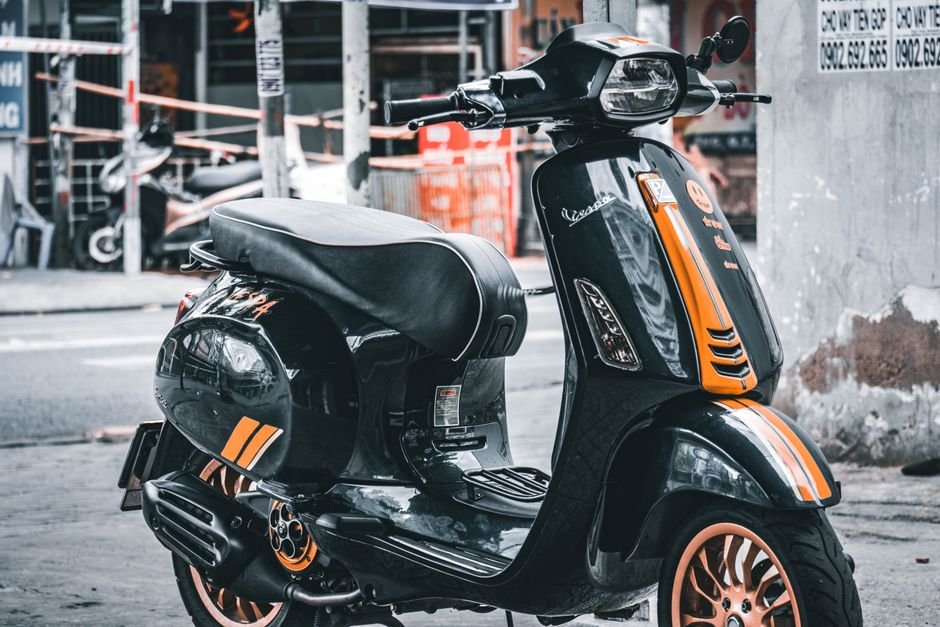
Vespa is an Italian brand of scooters manufactured by Piaggio, symbolizing both style and functionality since 1946. With a current focus on sustainability through electric scooters, Vespa appeals to urban commuters seeking eco-friendly personal transport. Think of it as the fashionable, modern-day equivalent of the bicycle—an elegant solution to city congestion and personal mobility challenges.
How Vespa Works in Practice
Vespa has evolved conceptualizations of urban mobility into practical applications through several compelling use cases:
-
Electric Embrace:
The Vespa Elettrica, launched in 2018, embodies the company’s dedication to sustainability. It offers a range of 100 kilometers in electric mode, effectively competing in a market increasingly dominated by tech-driven rivals like Tesla. This electric model highlights Vespa’s strategy of moving towards cleaner transport options while retaining its stylish edge. -
Urban Partnerships:
Cities such as Paris have recognized the role scooters can play in reducing congestion. Vespa scooters are often featured in bike-sharing schemes, as seen with the partnership between Paris’ City Hall and local scooter-sharing firms. This collaboration intends to decrease traffic by promoting two-wheeled mobility; therefore, Vespa directly benefits from urban policies favoring scooters as an alternative to cars. -
Cultural Collaborations:
Vespa has partnered with various fashion houses, including a notable collaboration with Dolce & Gabbana. This partnership merges urban mobility with high fashion, enhancing Vespa’s image as a lifestyle brand. The limited-edition models were met with instant acclaim—underscoring the scooter’s explosive cultural relevance.
Top Tools and Solutions
Birch — A personal finance and expense management tool that’s perfect for those looking to track and optimize their finances.
Spocket — A dropshipping platform connecting retailers with suppliers, ideal for entrepreneurs looking to start an online store without inventory hassles.
Gamma — An AI-powered presentation and document builder, great for professionals seeking to create stunning presentations effortlessly.
Syllaby — A platform to create AI videos, voices, avatars, and automate social media marketing, suitable for marketers who want to enhance their content strategy.
Databox — A business analytics and KPI dashboard platform essential for teams wanting to track performance metrics in real-time.
Buddy Punch — Employee time tracking and scheduling software tailored for managers who need to streamline workforce management.
Common Mistakes and What to Avoid
In the evolving landscape of urban mobility, even established brands like Vespa can make missteps:
-
Ignoring Electric Trends:
Vespa’s early hesitance to adopt electric models could have jeopardized its market position. The classic scooter brand faced criticism for lagging in innovation, allowing competitors like Honda to capture a share of the eco-friendly scooter market prematurely. However, the introduction of the Elettrica shifted this perception. -
Overlooking Urban Regulations:
Vespa initially struggled with regulations in various international cities, where bans on traditional scooters were emerging due to pollution concerns. For example, in California, cities began imposing stricter emissions standards. Responding to these shifts in policy proved essential for maintaining relevance. -
Misjudging Target Markets:
Underestimating the demand for electric mobility in places like Asia led Vespa to miss an opportunity to solidify its stance in rapidly urbanizing regions. The company’s delayed entry meant allowing competitors such as Xiaomi and Gogoro to establish significant market shares before Vespa successfully rolled out its electric models.
Where This Is Heading
Two key trends are set to define Vespa’s future in urban mobility:
-
Electric Expansion:
Analysts predict that by 2026, the electric scooter market will grow by nearly 10%, with companies like Deloitte projecting significant growth in demand globally. This trend positions Vespa to capitalize on new consumer behaviors centered on sustainability and smart urban living. -
Fashion Integration:
Vespas’ fusion of mobility and lifestyle will continue to catch the eye of global consumers. Collaborations with fashion brands are expected to expand, appealing to a broader demographic beyond traditional scooter enthusiasts.
Over the next 12 months, the implications for Vespa are significant: a reinforced brand presence in both electric urban mobility and cultural relevance, with ongoing innovation likely to magnetize new customers.
FAQ
Q: What defines a Vespa scooter?
A: A Vespa scooter is a stylish and practical two-wheeled vehicle manufactured by Piaggio, embodying Italian design since 1946. Its electric models are making waves in sustainable transportation.
Q: How does Vespa’s electric scooter compare to traditional models?
A: Vespa’s electric models offer low emissions, a quieter ride, and modern technology features. This provides a stark contrast to traditional models, which largely depend on combustion engines and higher emissions.
Q: What is the price range for Vespa scooters?
A: The price for new Vespa scooters typically ranges from $3,000 to over $7,000, depending on the model and features. Electric models, like the Vespa Elettrica, fall within this range based on customizations.
Q: How has Vespa adapted to changing urban mobility trends?
A: Vespa has embraced electric models and partnered with urban initiatives to highlight scooter availability. Collaborations with cities promoting scooter infrastructure have further solidified its relevance.
Q: What mistakes did Vespa make in adopting electric technology?
A: Vespa faced initial criticism for its slow entry into electric scooters, which allowed competitors to gain significant footholds in the market. Adapting later has helped them recover lost ground.
Q: Where can I find Vespa scooters for test rides?
A: Various dealers worldwide offer test rides of Vespa scooters, while city programs featuring Vespa scooters allow riders to experience them firsthand before purchasing. You can also explore local dealerships for specific opportunities.
Q: What impact do Vespa models have on urban congestion?
A: Vespa scooters offer an efficient alternative to cars, helping to reduce traffic congestion in busy urban environments. Cities promoting scooters aim to shift commuters away from automobiles.
Q: Are Vespa scooters considered eco-friendly?
A: Yes, Vespa’s electric models have greatly reduced carbon footprints, aligning with sustainable mobility trends. In cities where they are adopted, they contribute to cleaner air and reduced congestion.
Recommended Tools
Birch — A personal finance and expense management tool suitable for anyone looking to get a better handle on their spending.
Spocket — Dropshipping platform ideal for entrepreneurs eager to connect with global suppliers effortlessly.
Gamma — An AI-based presentation and document builder, perfect for professionals who want to enhance their visual communications effectively.
Syllaby — Tool for creating AI-generated videos and automated social marketing, designed for businesses aiming to boost their online presence.
Databox — Business analytics and KPI dashboard platform ideal for teams looking to boost performance visibility and insights.
Buddy Punch — Employee time tracking and scheduling software, designed to simplify the management of workforce hours.
The Vespa’s 80 years embody a culture steeped in style and innovation, making its resurgence particularly apt as cities evolve towards greener, more sustainable urban landscapes. With its strategic pivots into electric mobility, Vespa is redefining itself as a resilient player, rather than a simple relic of the past.
SEO Title: Vespa Turns 80: Why This Iconic Scooter Revives Urban Mobility
Meta Description: Explore Vespa’s 80-year legacy in urban mobility, highlighting sustainability and electric innovation.
Slug: vespa-turns-80-urban-mobility