
By Dana Kim, Crypto Markets Analyst
Last updated: June 27, 2026
Why a 50ft HDMI Cable Could Redefine Your Steam Machine Experience
Steam’s user base has recently surpassed 120 million monthly active users, a clear indicator of shifting gamer preferences. As players abandon rigid console frameworks in favor of diverse setups, HDMI technology is crucial for fostering an inclusive gaming environment. A simple 50ft HDMI cable encapsulates this trend; it allows gamers to connect devices with ease, enabling flexibility that traditional setups could not offer. While mainstream commentary often celebrates advancements in hardware power, it overlooks a pivotal point: accessibility in gaming could democratize experiences, reshaping market dynamics entirely.
What Is HDMI Technology?
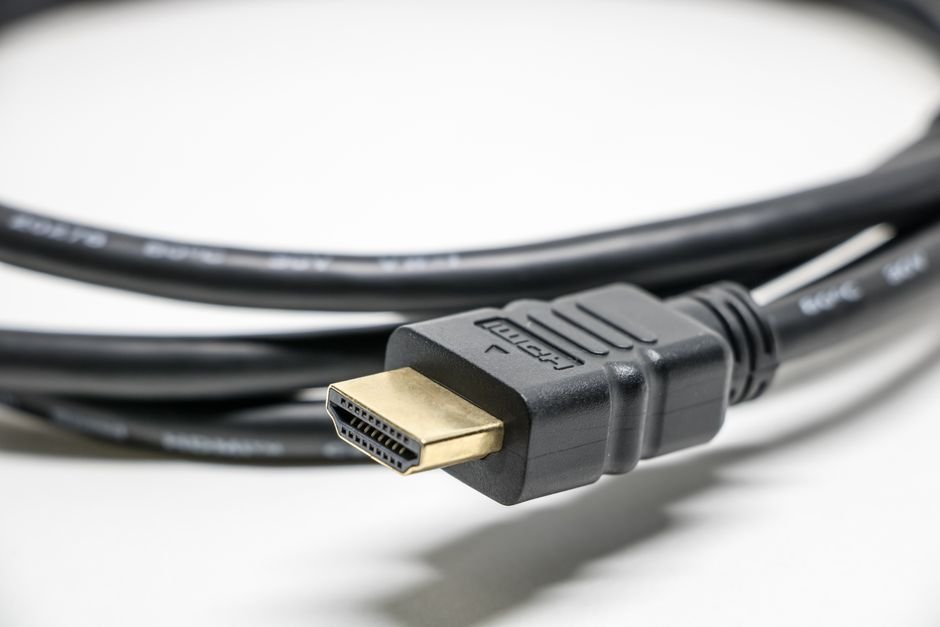
HDMI (High-Definition Multimedia Interface) is a technology that transmits high-quality audio and video signals between devices using a single cable. This compact solution not only simplifies connectivity but is crucial in today’s hybrid gaming landscape where players demand versatility from their equipment. Picture it as a universal remote that allows easy access to multiple entertainment sources without the clutter of dozens of cables.
How HDMI Works in Practice
The utility of HDMI technology, especially with the emergence of long cables, is visible across various gaming ecosystems.
-
NVIDIA and Gaming Flexibility: NVIDIA’s GPUs are designed to optimize gaming experiences by providing HDMI capabilities that cater to a range of setups. Approximately 70% of PC gamers use these HDMI-compatible GPUs, allowing gamers to connect to large monitors or TVs from any location — a significant shift towards accessible gameplay. This flexibility translates to smoother game performance in diverse environments.
-
Valve Corporation’s Steam Platform: Valve’s Steam has evolved into more than a storefront; it has become an ecosystem that embodies changing user habits. As of 2023, over 40% of gamers exhibit a preference for multi-device gameplay, evident within the Steam community where users frequently switch between PC, laptop, and mobile gaming, facilitated predominantly by simple HDMI connections.
-
The Boom in Mobile Gaming: More than 20% of new gamers now gravitate towards mobile and casual gaming, further illustrating a shift. This demographic often uses long HDMI cables to connect their mobile devices to larger screens, enabling a better gaming experience without sacrificing mobility.
-
Razer’s Multi-Device Support: Razer, known for its high-performance gaming hardware, has begun integrating HDMI capability into its devices. Razer’s products, such as the Razer Blade laptops, utilize HDMI connections to allow gamers to seamlessly transition between on-the-go play and immersive gaming sessions at home. This connectivity supports a blending lifestyle appreciated by a growing number of gamers who seek flexibility.
Top Tools and Solutions
Apollo — An AI-powered B2B lead scraper with verified emails and email sequencing, perfect for marketing teams looking to enhance outreach strategies.
RankPrompt — An AI-powered SEO and content optimization tool, ideal for content creators wanting to improve their search engine rankings.
Gamma — An AI-powered presentation and document builder, best for professionals needing to create impactful presentations quickly.
Smartlead — Connect unlimited mailboxes with auto warm-up, suitable for businesses looking to streamline their outreach via email, SMS, WhatsApp, and Twitter.
Amplemarket — An AI sales automation and lead generation platform, perfect for sales teams aiming to maximize efficiency and effectiveness.
Survicate — A customer feedback and survey platform, great for companies wanting to collect and analyze customer insights.
Common Mistakes and What to Avoid
Venturing into HDMI technology isn’t without pitfalls. Companies and individuals alike must navigate common mistakes to maximize their setups.
-
Neglecting Cable Length Specifications: Some users, in a rush, choose HDMI cables based solely on price, disregarding length requirements. An unconsidered choice can lead to signal degradation — a connection that appears fine when watching a video may falter during a fast-paced game. For instance, a major gaming venue experienced disruptions during a tournament due to improperly chosen cable lengths, underscoring how a seemingly trivial decision can have vast consequences.
-
Overlooking Compatibility: Another mistake is neglecting compatibility between different devices. Players may assume that all HDMI cables provide equal performance. However, not all HDMI versions are equal – an older HDMI version may not support the same features as the latest. A prominently reported case in the gaming community involved a setup failing to support 4K gaming simply due to an outdated HDMI cable.
-
Ignoring Port Placement: Improper placement of HDMI ports can restrict player movement significantly. Gaming arenas that install screens without accounting for cable management ended up with tangled cords, causing frustration during gameplay. Ensuring that setup promotes physical mobility is crucial as the market continues to embrace flexible gaming setups.
Where This Is Heading
The trajectory of HDMI technology and gaming accessibility is crystal clear, charted by notable trends that will shape the future of gaming.
-
Integration of HDMI into Wearables: As wearables become more common, we will see HDMI technology adapted for smart glasses or AR features. Companies like Sony are already researching how to create HDMI-capable wearables to enhance gaming experiences through augmented reality. Analysts predict that by 2025, nearly 15% of gamers might opt for these new gaming paradigms.
-
Emphasis on Multi-Device Play: With a continuous rise in gamers preferring multiple device experiences (40% as reported by Statista), manufacturers will accelerate the shift towards versatile peripherals supporting HDMI connections. This trend suggests an impending wave of multipurpose gadgets designed for seamless connections.
-
Growth in Home Gaming Setups: As players increasingly prioritize home entertainment, the market for home gaming setups that utilize long HDMI cables will likely surge. Firms specializing in adaptable gaming furniture and tech-enhanced personal setups may experience considerable growth. Research from a gaming analytics firm anticipates a 20% increase in sales for home setup equipment within the next year.
The implications extend beyond hardware; they signal a fundamental shift in how the gaming industry approaches inclusivity, opening pathways for more gamers to engage without the constraints of a singular, traditional setup.
FAQ
Q: What is HDMI technology in gaming?
A: HDMI technology enables high-definition audio and video transmission between devices. It simplifies gaming setups by allowing seamless connections between multiple hardware, enhancing the overall user experience.
Q: How do I use an HDMI cable for my gaming setup?
A: Connect one end of the HDMI cable to your gaming console or PC and the other end to your display device. Ensure that both devices support HDMI and select the correct input source on your display to start gaming.
Q: What’s the difference between HDMI versions?
A: HDMI versions differ in bandwidth and support for features like 4K resolution or HDR. For instance, HDMI 2.0 supports 4K at 60Hz, while HDMI 2.1 can accommodate 8K video at 120Hz, impacting gaming quality significantly.
Q: How much does an HDMI cable cost?
A: HDMI cables typically range from $5 to $50 depending on the length and version. Higher quality cables may provide better reliability, particularly for longer runs—vital in sizable gaming setups where distance is a factor.
Q: What are common mistakes when setting up HDMI connections?
A: Many people overlook compatibility between devices, neglect the importance of cable length, or mismanage port placements, leading to connectivity issues and degraded performance.
Q: What trends are shaping the future of HDMI technology in gaming?
A: Trends include increased integration of HDMI in wearables, a focus on multi-device play, and the burgeoning market for home gaming setups, all catering to the evolving preferences of gamers.
Q: Which companies are leading in HDMI technology for gaming?
A: Companies like NVIDIA, Valve Corporation, and Razer are at the forefront, developing products that maximize the utility of HDMI technology to enhance the gaming experience.
Q: How can I ensure optimal performance from my HDMI setup?
A: Confirm that you are using the latest HDMI versions compatible with your devices, choose appropriate cable lengths, and handle cable management carefully to avoid physical damage.
Recommended Tools
Apollo — An AI-powered B2B lead scraper with verified emails and email sequencing, perfect for marketing teams looking to enhance outreach strategies.
RankPrompt — An AI-powered SEO and content optimization tool, ideal for content creators wanting to improve their search engine rankings.
Gamma — An AI-powered presentation and document builder, best for professionals needing to create impactful presentations quickly.
Smartlead — Connect unlimited mailboxes with auto warm-up, suitable for businesses looking to streamline their outreach via email, SMS, WhatsApp, and Twitter.
Amplemarket — An AI sales automation and lead generation platform, perfect for sales teams aiming to maximize efficiency and effectiveness.
Survicate — A customer feedback and survey platform, great for companies wanting to collect and analyze customer insights.
Gaming is entering a transformative era where simplicity and accessibility could level the playing field. As the community evolves, manufacturers and players alike must embrace flexible setups that adapt to varied environments and preferences, positioning gaming as not just a pastime but a universally accessible experience.
Metadata
seo_title: HDMI Cable Could Redefine Your Steam Machine Experience
meta_description: Discover how HDMI technology is reshaping gaming accessibility, making experiences more inclusive and varied.
slug: hdmi-cable-steam-machine-experience