
By Dana Kim, Crypto Markets Analyst
Last updated: April 11, 2026
Why Bitcoin Could Double in Value by 2025 – Here’s the Inside Story
Bitcoin’s price has surged 400% since March 2020, yet mainstream analysts remain fixated on its notorious volatility. At the same time, a quiet revolution brews beneath the surface, characterized by unprecedented institutional backing and regulatory advancements that signal a healthier marketplace for Bitcoin. While many analysts dismiss its resilience amid economic uncertainties, the trend toward institutional adoption reveals a maturing market poised for growth. With over 80% of Bitcoin’s total supply now held by long-term investors, the conditions are ripe for significant price appreciation, possibly even doubling by 2025.
The implications are immense for savvy investors: capitalizing on the trends shaping Bitcoin can inform portfolio strategies and enhance returns amidst an uncertain economic backdrop.
What Is Bitcoin?
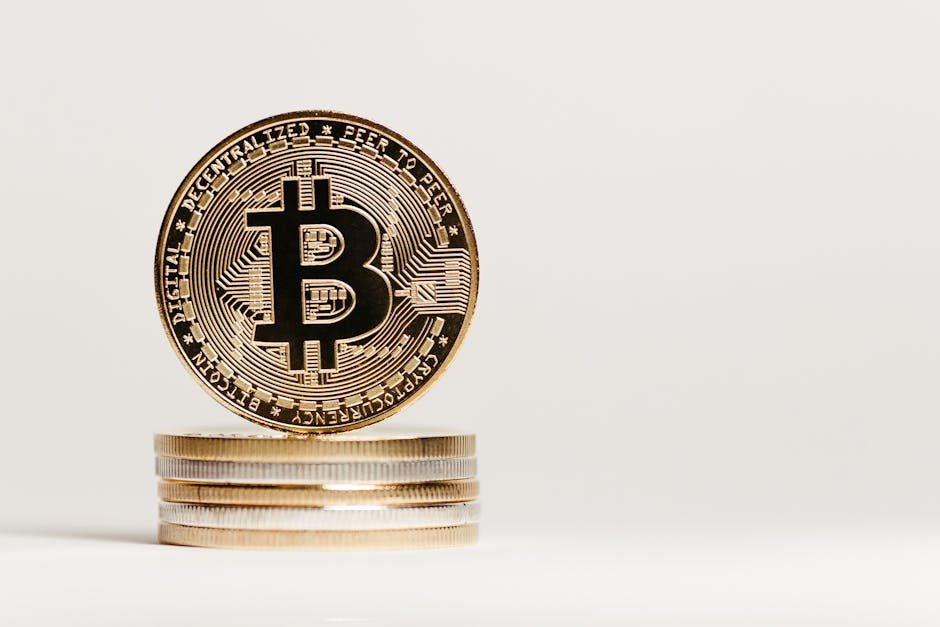
Bitcoin is a decentralized digital currency that enables peer-to-peer transactions without the need for intermediaries like banks. Its importance lies in its potential as a store of value and a medium of exchange, particularly during periods of inflation and economic instability. Much like gold, Bitcoin serves as a hedge against traditional financial systems, offering an alternative for those wary of fiat currencies.
How Bitcoin Works in Practice
Several high-profile use cases demonstrate how institutional investors are increasingly recognizing Bitcoin’s value:
-
BlackRock’s Bitcoin Spot ETF Application: The financial giant recently applied for a Bitcoin spot Exchange-Traded Fund (ETF), a move that signals significant institutional confidence. If approved, analysts anticipate billions of dollars in inflows, boosting Bitcoin’s legitimacy and driving demand.
-
MicroStrategy’s Accumulation Strategy: Under CEO Michael Saylor, MicroStrategy has amassed over 130,000 BTC, positioning Bitcoin as a primary reserve asset. This aggressive accumulation strategy reflects a strategic shift in how corporations may view digital assets as essential to long-term financial planning.
-
Bitcoin Trading Volume Surge: According to CoinMetrics, Bitcoin’s trading volume has tripled since 2020, underscoring the growing interest among investors as traditional markets fluctuate. This surge provides evidence of a more stable investor base willing to accumulate BTC during downturns.
-
Futures Approval in Multiple Countries: The recent approval of Bitcoin futures in countries like Brazil and Canada signifies a shift in regulatory acceptance. This growing framework supports digital assets and reflects investors’ increasing trust in Bitcoin’s durability.
Top Tools and Solutions for Bitcoin Investment
For those looking to engage in the Bitcoin market, various tools and platforms can enhance trading strategies and investment decisions:
Amplemarket — AI sales automation and lead generation platform that helps businesses optimize their outreach.
KrispCall — Cloud phone system for modern businesses that enables seamless communication.
BlackboxAI — AI coding assistant and developer tool designed to streamline coding processes.
Birch — Personal finance and expense management tool tailored for individuals seeking to track their budgets effectively.
SaneBox — AI email management and inbox organization tool that helps users manage their emails more effectively.
RankPrompt — AI-powered SEO and content optimization tool for improving online visibility.
Recommended Tools
- Coinbase: Ideal for beginners looking to navigate the cryptocurrency market without overwhelming complexity.
- Binance: Advanced trading features for seasoned investors seeking higher-volume trades.
Disclosure: Some links in this article may be affiliate links. We may earn a small commission at no extra cost to you. This does not influence our recommendations.
Common Mistakes and What to Avoid
Investors often make several key mistakes that can be detrimental to their strategies, including:
-
Neglecting Diversification: For example, Tesla’s significant investment in Bitcoin led to a backlash when its stock price fell, highlighting the risk of over-committing to a single asset.
-
Timing Market Entry Poorly: An early investor in 2017 might have panic-sold during Bitcoin’s winter, missing out on the subsequent rally. Staying informed about long-term trends can mitigate this risk.
-
Falling for Hype: The rise of meme coins showcases the danger of succumbing to market trends based on speculation. Investors must distinguish between sustainable investment opportunities and fleeting fads.
Where This Is Heading
The trajectory for Bitcoin indicates several promising trends that investors should consider over the next twelve months:
-
Institutional Investment Growth: According to CoinShares, institutional investments in Bitcoin increased by 30% in Q1 2023. As more financial institutions adopt Bitcoin, analysts anticipate a more stable price trajectory.
-
Increased Regulatory Clarity: The approval of Bitcoin ETFs and futures in countries like Brazil and Canada supports a more substantial regulatory framework. As clarity grows, broader institutional participation in the Bitcoin space is likely.
-
Price Predictions: Goldman Sachs analysts predict Bitcoin could reach a price target of $100,000 by 2025, driven by increasing scarcity amid rising demand. More investors are expected to view Bitcoin as a hedge against inflation and instability.
In summary, the maturation of Bitcoin’s market, driven by institutional endorsement and an increasing regulatory framework, creates a landscape conducive to significant price appreciation. For investors, understanding these shifts could provide a critical advantage in navigating the volatility inherent in cryptocurrencies.
FAQ
Q: What influences Bitcoin’s price?
A: Bitcoin’s price is influenced by supply and demand dynamics, institutional investment, regulatory developments, and macroeconomic factors.
Q: How can I buy Bitcoin?
A: Bitcoin can be purchased through various exchanges like Coinbase and Binance, which allow users to buy, sell, and trade Bitcoin.
Q: Is Bitcoin a good investment?
A: Bitcoin may be a good investment given its historical performance and increasing adoption, but potential investors should consider market volatility and conduct thorough research.
Q: What is a Bitcoin ETF?
A: A Bitcoin ETF is a fund that allows investors to buy shares that track Bitcoin’s price without directly holding the cryptocurrency.
Q: How can I securely store my Bitcoin?
A: Bitcoin can be securely stored using hardware wallets like Ledger, which provide offline storage options to protect against online threats.
Q: What common mistakes should I avoid when investing in Bitcoin?
A: Common mistakes include neglecting diversification, poorly timing market entry, and falling for hype. Educating oneself and staying informed can help mitigate these risks.
Q: What are the future trends for Bitcoin investment?
A: Future trends include increasing institutional investment, more regulatory clarity, and growing acceptance as a hedge against inflation. These factors could lead to substantial price appreciation.
Q: What is the best tool for managing my Bitcoin investments?
A: Tools like Amplemarket for sales automation and RankPrompt for SEO optimization can assist in managing investments successfully.
Recommended Tools
- Amplemarket — AI sales automation and lead generation platform
- KrispCall — Cloud phone system for modern businesses
- BlackboxAI — AI coding assistant and developer tool
- Birch — Personal finance and expense management tool
- SaneBox — AI email management and inbox organization tool
- RankPrompt — AI-powered SEO and content optimization tool