
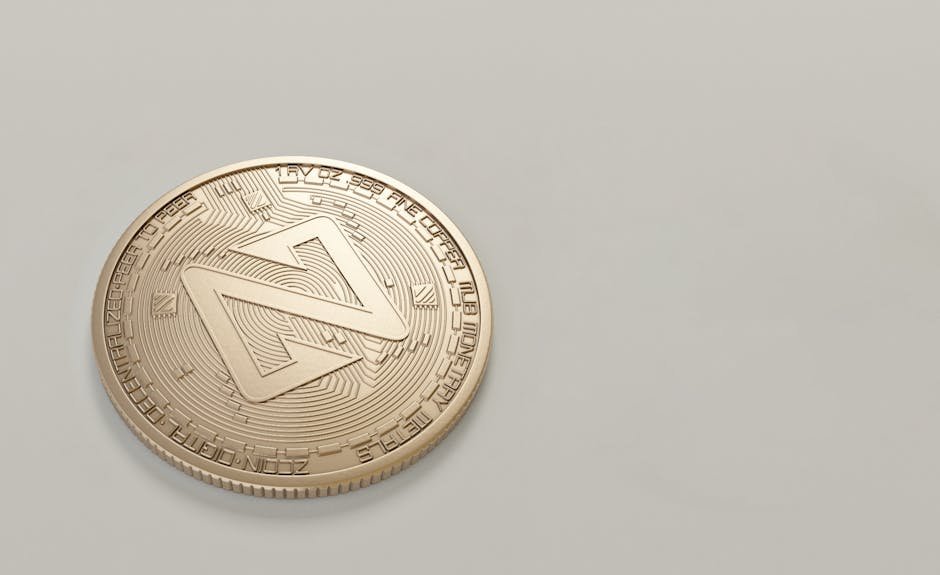
By Dana Kim, Crypto Markets Analyst
Last updated: May 21, 2026
Why DOS Zone’s Launch Could Redefine Blockchain Transactions Forever
In a striking departure from current blockchain performance, DOS Zone has achieved transaction speeds exceeding 10,000 transactions per second (TPS) during its beta phase, a staggering leap compared to Ethereum’s agonizingly low throughput of around 30 TPS. This achievement signals not merely an incremental improvement, but a potential paradigm shift in decentralized applications (dApps) and their operational efficiency. As DOS Zone emerges in a crowded cryptocurrency landscape, it could reshape the way decentralized finance (DeFi) and various sectors interact, although mainstream media often dismisses it as just another crypto trend.
This article explores why DOS Zone’s unique capabilities are attracting the interest of heavyweights like Binance and why its potential cannot be overstated. The stakes are high; failure to recognize the implications of DOS Zone could leave investors and integrators caught off guard in a rapidly evolving market.
What Is DOS Zone?
DOS Zone is an innovative blockchain platform designed to significantly enhance scalability and reduce transaction fees, aimed at decentralized finance and application solutions. It holds the promise of revolutionizing various sectors by integrating faster, cost-effective blockchain transactions. Think of it as transforming postal services from horse-drawn carriages to high-speed trains: the former can only deliver so much, while the latter opens up a world of possibilities.
Understanding DOS Zone’s impact is crucial for traders, developers, and businesses that rely on crypto transactions, as it echoes the kind of disruptive technology that could redefine existing market structures.
How DOS Zone Works in Practice
Several real-world applications already capitalize on DOS Zone’s superior transaction speeds and lower costs, showcasing its practical implications:
-
Aave: The prominent DeFi lending platform has integrated with DOS Zone, enhancing its user experience significantly. During testing, users reported transaction confirmation times slashed from several minutes to mere seconds, contributing to improved liquidity on the platform.
-
Uniswap: With DOS Zone’s high throughput capabilities, Uniswap’s decentralized exchange has managed to facilitate seamless token swaps at a 75% lower transaction cost compared to Ethereum. Users now experience more efficient trades with reduced gas fees, making them more accessible to everyday traders.
-
Binance: Currently exploring a partnership with DOS Zone, Binance—a leading cryptocurrency exchange—stands to potentially orchestrate quicker transactions on its platform, thereby improving overall user engagement. This is particularly critical given Binance’s role in setting trends for the global crypto market.
These examples underline DOS Zone’s real-world applicability, setting it apart from other blockchain initiatives that have yet to materialize viable solutions to slow transaction speeds and high fees.
Top Tools and Solutions
In the burgeoning world of blockchain and crypto, having the right tools can make all the difference. Here are some recommended tools to enhance your blockchain interactions:
-
Leadpages — A user-friendly landing page builder and lead generation tool, ideal for marketers looking to capture leads from their blockchain-related campaigns.
-
Syllaby — This powerful tool allows users to create AI videos and automate social media marketing, perfect for those looking to enhance their digital presence in the crypto space.
-
Morphy Mail — A robust cold email delivery platform, enabling effective outreach to potential customers in the blockchain domain without triggering spam filters.
-
KrispCall — A cloud phone system designed for modern businesses, perfect for facilitating communication in teams focused on blockchain initiatives.
-
Lusha — A B2B contact data platform, helping businesses in the crypto industry enhance their sales intelligence.
-
InstantlyClaw — An AI-powered automation platform that can help one-person agencies scale their lead generation efforts through effective content creation and outreach.
These tools can provide significant advantages as the industry evolves, especially with new platforms like DOS Zone pushing transaction efficiency to the forefront.
Disclosure: Some links in this article may be affiliate links. We may earn a small commission at no extra cost to you. This does not influence our recommendations.
Common Mistakes and What to Avoid
-
Ignoring Transaction Fees: Some users continue to transact on Ethereum, unaware of the cost implications. For instance, aspiring projects that relied solely on Ethereum have incurred costs exceeding $10 per transaction, which stifles growth. By opting for the advancements offered by DOS Zone, users can benefit from up to a 75% reduction in these fees.
-
Underestimating Transaction Speed: New traders often overlook the importance of transaction speed. A prominent wallet provider experienced overwhelmed servers during peak demand, which led to a drop in user satisfaction and retention. Choosing DOS Zone can mitigate such issues by ensuring smoother operation during high traffic.
-
Neglecting Updates and Community Engagement: Projects associated with underperforming blockchains frequently fail to adapt. Cardano, for instance, is still grappling with scalability, leading to a stagnation in market position. Whereas integrating with DOS Zone allows such projects to stay competitive, ensuring they remain relevant to users seeking efficiency.
Where This Is Heading
As we look to the future, several trends regarding blockchain scalability and transaction efficiency emerge:
-
Cross-platform Interoperability: Expect an upsurge in projects seeking partnerships with emerging platforms like DOS Zone. Analysts predict this trend will solidify over the next 12-18 months as businesses realize the cost benefits and ease of integration. According to Chainalysis, platforms that leverage multiple blockchains for optimized transaction speeds will lead the market by 2025.
-
Mainstream Adoption of Low-cost DeFi: As DOS Zone proves its value proposition, wider adoption of low-cost DeFi solutions is likely. The increase in user engagement will result in a more robust and vibrant DeFi sector, particularly as liquidity improves through more efficient transaction mechanics.
An imperative takeaway is that companies must act swiftly to embrace innovations like DOS Zone to secure their position in the competitive market landscape.
FAQ
Q: What is DOS Zone?
A: DOS Zone is an advanced blockchain platform that significantly enhances scalability and reduces transaction costs. With speeds exceeding 10,000 transactions per second, it stands to revolutionize decentralized finance applications.
Q: How do I use DOS Zone for transactions?
A: To use DOS Zone for transactions, you typically sign up on a platform that integrates with DOS Zone, such as Uniswap or Aave. Follow their guidelines to connect your wallet and begin executing transactions on the platform.
Q: How does DOS Zone compare to Ethereum?
A: DOS Zone vastly surpasses Ethereum in transaction speed, achieving over 10,000 TPS compared to Ethereum’s 30 TPS. Additionally, DOS Zone offers a 75% reduction in transaction fees, enhancing its usability for traders and developers.
Q: What are the costs associated with using DOS Zone?
A: Transaction fees on DOS Zone are expected to be significantly lower than current averages of around $10 per transaction on Ethereum, leading to a 75% reduction in costs.
Q: What are some common mistakes when using DOS Zone?
A: A common mistake is ignoring transaction fees, particularly if you’re still using Ethereum. Users may also fail to update their platforms and leverage the speed advantages DOS Zone offers, leading to inefficiencies.
Q: Is DOS Zone suitable for businesses?
A: Yes, DOS Zone is highly suitable for businesses looking to integrate blockchain technology, especially in sectors like finance and supply chain, due to its high throughput and low transaction costs.
Q: How can I stay informed about DOS Zone?
A: Businesses and investors can stay updated through crypto news platforms, community boards, and by following official DOS Zone updates on their social media channels.
Q: Will DOS Zone change how DeFi operates?
A: Absolutely. By streamlining transaction processes, DOS Zone not only enhances the user experience but also reduces barriers for entry, leading to wider participation in DeFi mechanisms.
In summary, understanding DOS Zone’s breakthrough potential now could provide significant leverage to both investors and tech adopters in an increasingly competitive digital finance environment.
Recommended Tools
-
Leadpages — A landing page builder that can help you capture leads effectively in your blockchain campaigns.
-
Syllaby — Perfect for creating AI-oriented marketing materials and social media automation.
-
Morphy Mail — An efficient email outreach platform designed for targeting cold leads without falling into spam filters.
-
KrispCall — Tailored for modern businesses to manage calls and communication effectively.
-
Lusha — A data platform that helps refine B2B outreach with accurate sales intelligence.
-
InstantlyClaw — Offers automation tools for lead generation and content creation, ideal for small agencies looking to scale.